



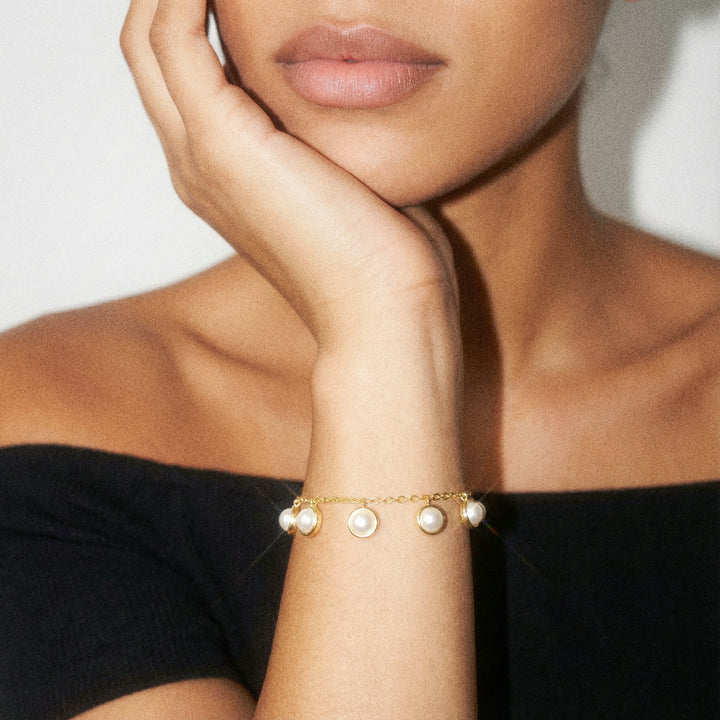



Do you sometimes find yourself in front of a mirror, attempting to layer necklaces only for them to tangle or the result to look uneven? Layering pearls, chains and pendants can lend an effortless, refined finish to an outfit, but success depends on careful attention to length, proportion and texture so each element feels purposeful.
Discover how to layer pieces for a cohesive look, master necklace lengths and spacing, and blend textures and metals so each element remains distinct. Find practical advice for transitioning an outfit from the office to evening, along with simple securing, cleaning and storage techniques to keep necklaces tidy and ready to wear.

Layer pearls, chains and pendants for an effortless, cohesive look
Pair necklace lengths to suit necklines: a short pearl strand of 35 to 40 cm, a mid-length chain of 45 to 55 cm and a longer pendant of 60 to 75 cm. These proportions help tiers sit flat, remain distinct and gently elongate an open collar or V-neck. Contrast smooth pearls with a fine cable chain and a chunkier curb or paperclip chain so each layer reads separately both on camera and in person. Place the heaviest element at the longest length so the shorter pieces remain still throughout the working day.
Unify mixed metals by echoing a single metal in a pendant bail, clasp or small spacer bead rather than matching every piece. Use discreet silicone stoppers or a single anchor chain to prevent twisting, and balance the weight so movement feels considered rather than disordered. For daytime, choose a subtle pearl or small pendant as your focal point; for evening, swap to a larger pendant or add a sparkling chain to increase impact without rebuilding the whole layered look. These simple techniques create cohesive, practical layers that photograph beautifully and move effortlessly from work to evening.
Add a delicate gold-plated pendant to anchor layers.

Mastering length, proportions and spacing for refined jewellery styling
Match necklace lengths to necklines using clear length references. Choker (35 to 40 cm) sits at the base of the neck. Princess (45 cm) rests on or just below the collarbone. Matinée (50 to 60 cm) falls a few centimetres below the collarbone. Opera (70 to 85 cm) reaches the sternum or mid-torso, which helps when aligning stacks with shirt collars and dress necklines. When building a stack, follow a simple checklist. Start with a steady base piece, add one necklace 4 to 10 cm shorter and another 4 to 10 cm longer, then try the set on with the intended outfit to judge fit and how the layers sit against seams and collars. Make small adjustments to perfect the arrangement: attach an extension chain to lengthen, temporarily clip two clasps together to reduce spacing, or swap a link to fine-tune pendant placement.
Aim for 4 to 8 cm of visible gap between pendants to prevent overlap. Tighter spacing concentrates the focal point. Wider spacing lengthens the perceived line of the neck and torso. Balance textures and weights by wearing a fine chain closest to the neck, a medium chain with a small pendant at mid length, and a heavier or textured chain as the longest layer. Heavier chains tend to droop and may require slightly shorter nominal lengths or firmer clasps to stay in position. To prevent tangling and make layers more adaptable, lay pieces flat and fasten them together at the back, use silicone stops to anchor chains, or swap a single piece to take a stack from work appropriate to evening appropriate. Before you step out, run a brief low light checklist: check fastening, spacing and silhouette.
Adds a delicate pearl layer for effortless stacking.

Blend textures and metals to create a refined, balanced contrast
Begin with a clear anchor chain in a single finish and a length that flatters the neckline, then build two contrasting pieces around it so mixed metals read as intentional rather than cluttered. Pair polished links with matte, brushed or oxidised surfaces to guide the eye: polished pieces catch the light and draw attention to the face, while matte layers sit back and add depth. For evening looks, position the brighter finishes nearest the face; for work, favour subtler surfaces. Vary chain types and weights by combining a fine snake or curb with a textured rope or flattened link, and keep layers to a maximum of three, alternating thin, thicker, thin to create a graceful rhythm and avoid a heavy appearance.
Unify different metals by repeating a small motif, bead, or clasp finish across layers, or choose a pendant that incorporates both metals so the set reads cohesive without matching exactly. Consider the outfit's fabric and neckline when planning textures and metals: smooth fabrics let textured chains pop, while high collars suit shorter, sleeker layers. Add a single sparkling or gem-set layer to lift evening outfits, and favour restrained metal contrasts to maintain a polished, professional silhouette at work. These choices create balanced contrast and dimensionality, letting mixed finishes and metals complement both workplace attire and eveningwear.
Adds a timeless pearl pendant to elevate layered looks

How to layer jewellery for a seamless office to evening look
Create a layered necklace by starting with a base piece that sits at the collarbone, adding a mid-length chain about 4 to 6 cm longer, and finishing with a longer pendant so each layer falls distinctly and is less likely to tangle. Pair a fine chain with a rope or paperclip link and a plain curb or box chain to introduce contrasting texture and width. Decide whether to keep metal tones cohesive or to mix them intentionally for a contemporary edge. Stagger the spacing to establish a clear focal hierarchy that guides the eye and preserves movement across the layers. Try combinations in the mirror to check proportion and ensure elements do not overcrowd one another.
Match necklace length to the neckline: pair a short choker or collar with square and boat necks, choose mid-length chains for crew necks, and reserve longer pendants for V-necklines to keep proportions balanced. For evening, swap a subtle daytime charm for a larger pendant, a faceted gemstone or a polished medallion, since reflective surfaces and facets catch more light and increase perceived sparkle in low light. Keep a small toolkit to hand, including a clasp extender, a quick connector for easy swaps and small silicone stoppers to adjust drape and prevent slippage during a busy night out.
Add a delicate pearl pendant to refine layered looks.

Secure, clean and store layered necklaces to preserve their lustre
To keep layered necklaces neat, thread each clasp through a small elastic loop or jump ring, fasten that single clasp and then slide the chains so the pendants sit at staggered lengths. This reduces movement between chains, prevents tangles and keeps the lines clean, whether you are dressing for work or an evening out. Protect delicate chains by avoiding coarse knitwear and stiff collars, putting necklaces on after applying moisturiser and perfume, and choosing chain weights that complement the neckline and the way the garment moves.
To prolong a necklace's life, practise gentle, regular care. Rinse pieces in warm water with a mild detergent, use a soft brush to clear crevices and dry completely with a soft cloth. Check clasps and jump rings frequently for signs of loosening or thinning; removing dirt and trapped moisture lowers the risk of corrosion and makes weak links visible before they fail. Store chains separately by hanging them vertically, placing each piece in its own soft pouch or compartment, or threading chains through drinking straws or using a jewellery roll when travelling. Add silica gel sachets or anti-tarnish strips to control moisture. For short-term fixes, gently realign kinks with small pliers, thread a broken clasp through a jump ring as a temporary connector, or secure fragile joins with a soft knot until you can arrange a professional repair.
Layered necklaces become a cohesive styling system when you combine varying lengths with contrasting textures and considered spacing. Attention to proportions, metal tones and fastening methods keeps each tier distinct, comfortable and photogenic for both work and evening looks.
Consult length charts, spacing guidelines and texture rules when creating a stacked look. Use silicone stops, extenders and a small toolkit to adapt pieces with ease. With regular cleaning, careful storage and a few thoughtful swaps you can preserve every chain and move from office to evening with confidence and a polished silhouette.