



Do your layered necklaces look cluttered or fail to feel cohesive? Choosing the right anchor pearl turns multiple strands into a unified focal point that flatters your neckline.
Match a pearl’s size and proportion to your neckline, and stagger necklace lengths to achieve a balanced silhouette. Introduce contrast by combining different shapes, textures and metal tones, taking care to keep the overall look cohesive. Choose a single anchor pearl as the focal point, then organise complementary layers around it, and prioritise secure fastenings, comfortable wear and mindful care so your necklaces sit well and endure.

Select an anchor pearl to create a refined focal point
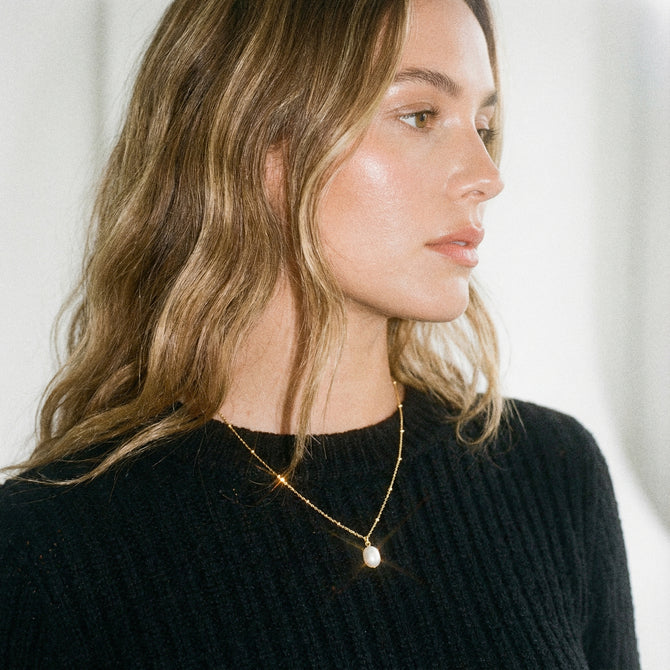
Begin by checking proportion: the anchor pearl should look noticeably larger than the next layer and sit in harmony with your collarbone and clothing. Try it at different distances from the neck while observing in a mirror to judge visual weight. Choose a shape to suit your intent: round pearls provide classic symmetry, near-round offer subtle variety, and baroque create an organic focal point. Test complementary or contrasting combinations by photographing them or viewing them in the mirror. Hold candidate pearls against your skin and against typical outfits to compare colour and overtone; higher lustre catches the eye and photographs more clearly, while warmer overtones tend to flatter warm complexions and cooler overtones suit cool complexions.
Consider how the pearl is attached. A drilled pearl threaded on a chain will move differently from a mounted pearl with a bail or cup, and the attachment affects swing, rotation and security. Test the anchor on the chain you plan to layer with: check that the bail fits, that the pearl sits flat when centred, and that it does not flip or tangle with other layers. Think about placement for the desired effect, placing the pearl dead centre for a formal focal point or slightly off-centre for a more relaxed look. Bear in mind that chain length, clasp position and pendant weight all influence where the pearl settles. Wear the full stack and move naturally to ensure the anchor remains in place, complements your silhouette and performs reliably with your typical clothing and activity.
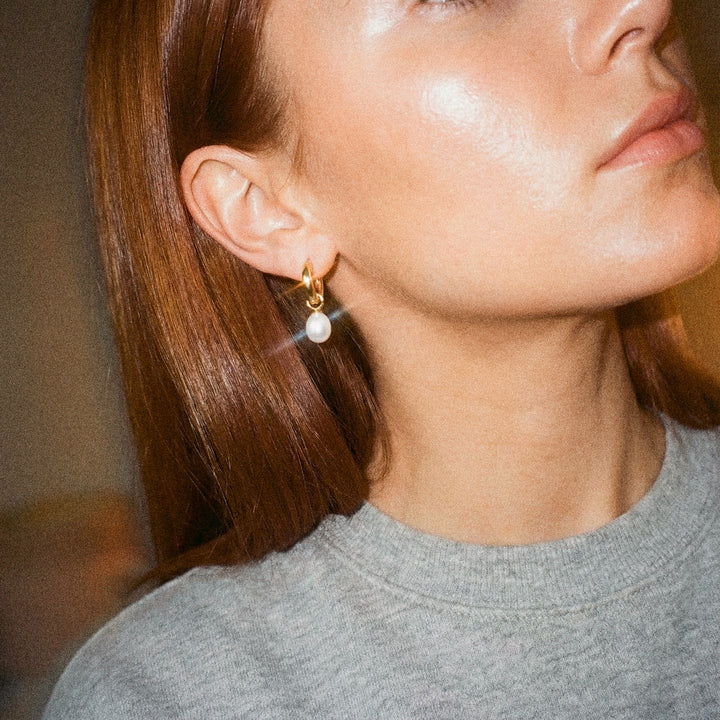
Add subtle pearl studs to complete your layered look

Choosing the right necklace size and proportion for your neckline
Begin by measuring the visible gap between the collarbone and the neckline. Choose an anchor pearl whose diameter occupies roughly one quarter to one third of that vertical space so it remains a clear focal point without overwhelming the neckline. Scale the anchor to the wearer: favour smaller, rounder pearls for shorter necks and narrow shoulders, and slightly larger or gently elongated shapes for longer necks and broader shoulders to preserve visual balance. For layered looks, vary sizes to create depth — make the anchor noticeably larger than the nearest upper layer by two to four millimetres, or reverse that relationship for a subtler effect.
Consider surface qualities and colour when fine-tuning perceived size. A high lustre, mirror-like pearl will read larger and more prominent than a matt one, while darker or strongly iridescent colours can appear smaller. To assess proportion, drape the layered chains over a neutral top or mannequin and photograph them from typical viewing distances to observe how the focal pearl sits and catches the light. Move and view the layers from different angles, then adjust chain lengths, alter clasp positions or swap pearl sizes until the focal pearl centres and complements the neckline. These practical tests and small surface or size adjustments help each layer remain distinct when worn together, providing objective evidence to inform your final choice.
Choose a 4mm anchor for effortless layered balance.

How to stagger necklace lengths for a balanced, flattering layered look
Begin by spacing each layer so every strand sits distinctly: aim for around 2 to 4 centimetres between lengths, widening to 4 to 6 centimetres when the anchor pearl is noticeably larger. Position the anchor pearl at the collarbone or just below, keep the shortest strand close to the throat, and lower subsequent strands to avoid any overlap with the focal pearl. Balance proportions by pairing larger pearls with thicker chains or extra beads, and choose finer chains for delicate pearls to maintain harmonious scale.
Consider the wearer when choosing spacing and scale. Tighter, shorter layers flatter shorter necks, while wider separation suits longer necks and higher necklines. To minimise movement and tangling, use small connectors or jump rings, stagger clasp positions and trial combinations on a ribbon or soft fabric while the wearer moves. Physically test spacing to see how layers drape, and include diagrams or photographs to show how common combinations sit on different neck shapes. These simple checks help balance visual impact with comfort and wearability.
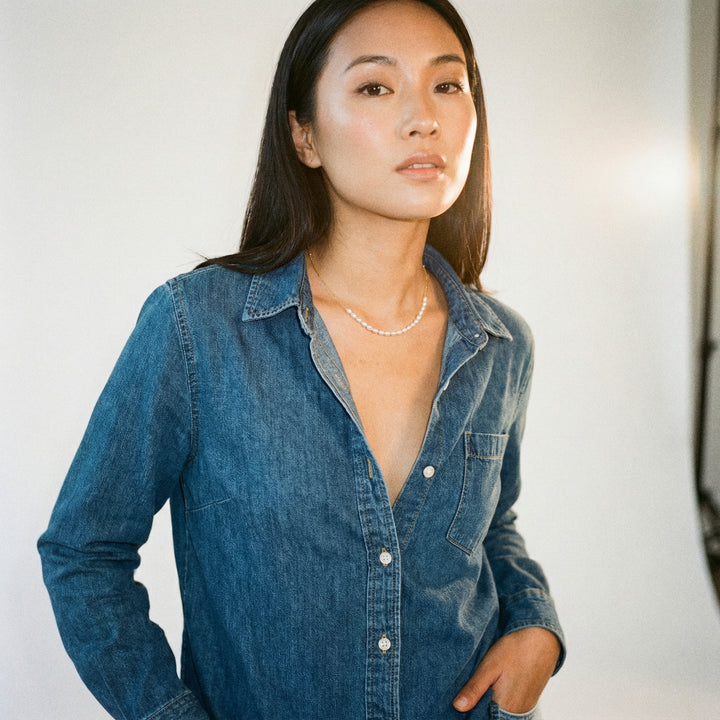
Add a delicate 4mm strand for refined layered balance.

Balance shapes, textures and metal tones for harmonious contrast
Choose an anchor pearl whose shape contrasts with the other pendants: for example, pair a rounded, high lustre pearl with a slim geometric bar or a long drop so each layer reads separately. Add depth by contrasting surface textures, for instance pairing a pearl with a mirrored finish against brushed, matt or twisted chains such as rope or snake. Matt finishes absorb light while pearls reflect it, so the pearl will appear brighter without seeming larger. Match the metal tone to the pearl's undertone by holding metal samples next to the pearl: warm cream or peach pearls harmonise with yellow or rose metals, while cool white or grey pearls suit white metals.
Control scale and spacing so the anchor appears intentional. Choose an anchor one size larger than the surrounding charms and leave a clear gap between layers to avoid overlap. Generous spacing reduces visual clutter and prevents tangling, keeping the anchor visible from different angles. Make mixed metals feel deliberate by repeating metal accents; for example, introduce a small bead, connector or clasp in the secondary metal across two or more layers. Mirroring a contrasting metal in subtle details helps the eye organise mixed tones into a coherent colour story.
Anchor your layers with a warm-gold pearl pendant.

Choose secure fastenings, favour comfort and plan care for everyday wear
Select secure fastenings such as locking clasps, soldered jump rings or an integrated safety chain, and test them by fastening the necklace, giving it a gentle tug and wearing it while you move to ensure it does not open or rotate unexpectedly. Match pearl size, drill placement and chain thickness so the pendant sits correctly; larger anchor pearls often need a thicker chain or a lower centre of gravity, achieved by a central drill hole or a supportive bail, to prevent flipping. Inspect how the drilled hole aligns with the chain or bail before committing, and favour mechanical settings that cradle the pearl and distribute the load rather than relying on adhesive alone.
Prioritise comfort by wearing layered pieces as you would in daily life. Move your neck and shoulders to check for any rubbing or pulling; if a piece rides up or irritates the skin, consider finer links, shorter drops or an alternative anchor pearl. After each wear, gently wipe pearls with a soft cloth, avoid direct contact with perfumes and lotions, and store each layer separately to prevent abrasion. Periodically inspect clasps, soldered joins and settings for signs of wear so issues can be repaired before a loss occurs.
Selecting the right anchor pearl unifies a layered necklace, balancing proportion, lustre, shape and method of attachment so each strand sits clearly against the neckline. Simple, practical checks, such as viewing the arrangement in a mirror, photographing the drape and wearing the full stack while moving, reveal how size, spacing and fastenings behave in everyday wear.
Begin by choosing an anchor pearl and consider proportion, staggered lengths, mixed textures and secure fastenings to create stacks that sit comfortably and photograph well. Start with a single, defined focal pearl and test it with your everyday outfits and natural movement. Then refine chain lengths and metal accents until the layers form an organised, wearable composition.