





Finding it difficult to combine round and baroque pearls without one style dominating? Focus on these guiding principles: use shape to establish a clear focal point; mix size, colour and surface texture for contrast; layer by length to maintain balance; introduce irregular accents for interest; and ensure fastenings and overall wearability are considered so the finished necklace feels balanced and modern.
Each section pairs clear rules with small experiments you can try when layering, such as offsetting a baroque pendant beneath a strand of uniform rounds or varying strand drop to avoid crowding. Follow these techniques and simple care steps to ensure your finished piece sits comfortably, looks intentionally composed from every angle and endures well beyond the first few wears.

How to Use Shape to Create Elegant, Eye-catching Focal Points
Anchor the composition with a single baroque pearl positioned at the centre or slightly off-centre, selecting a bead about 1.5 to 3 times the diameter of the round pearls to create a clear focal point that balances at eye level. Pair smooth round strands with one strand of irregular baroque pearls to exploit contrast of form, and space the baroque beads to form pockets of negative space that emphasise their texture and draw the eye. Graduate round pearl sizes toward the baroque focal point, or mirror sizes on each side to maintain symmetry while directing movement.
Choose clustering or isolation to create different visual effects. Group two or three small baroque pearls so they read as a single, striking unit, or set a lone baroque among rounds for a subtler accent, and photograph both options to see which best resonates. Place focal pearls to engage with the wearer: position them in the hollow of the throat for an intimate focus, or on the collarbone for a broader presence. Fine-tune strand lengths so the focal pearl sits unobstructed against skin or fabric, then assess balance at eye level. Slight adjustments to spacing and scale will alter perceived movement and emphasis, giving you precise control over a modern, balanced necklace.
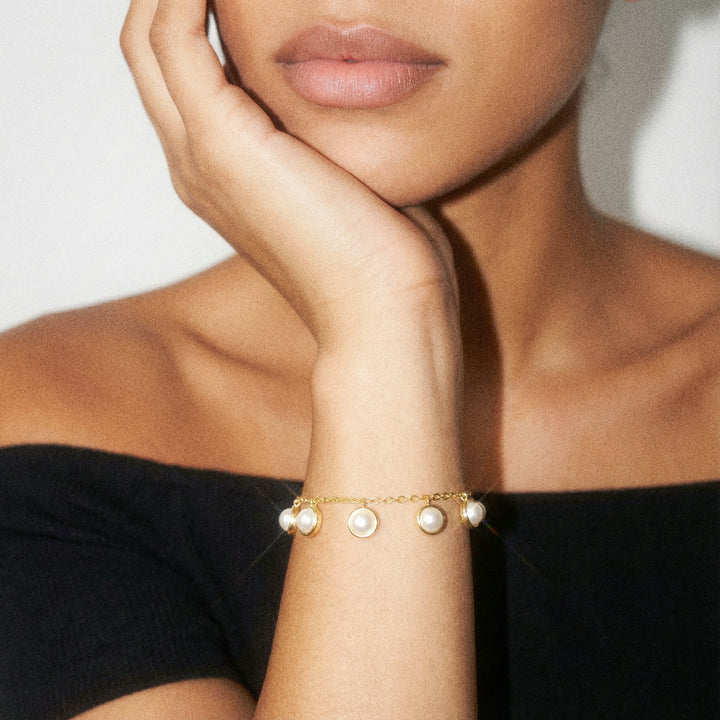
Anchor looks with one refined pearl on a chain

Mix sizes, colours and finishes for effortless contrast in jewellery
Anchor larger baroque pearls with a strand of smaller, high-lustre rounds, placing the baroque beads at the centre and flanking them with graduated rounds so the eye is drawn to a clear focal point. The repetition of the smaller beads establishes a gentle rhythm and lightens the piece visually. Alternate surface textures and introduce spacer knots or tiny metal beads between contrasting shapes; knotting protects surfaces, prevents rubbing and emphasises each pearl's silhouette, while small spacers give the design breathing space and clarify transitions. These choices allow each pearl to stand out, reduce surface contact and keep the overall composition refined rather than heavy.
Begin by limiting your colour palette to two or three overtone families, and introduce a single recurring colour to harmonise varied pearls. Prefer scale and placement over strict symmetry: stagger smaller rounds nearer the clasp with larger baroque forms towards the centre, or offset an oversized baroque bead slightly off-centre to create a contemporary, asymmetric effect that still feels balanced. Try the layered combination against neutral clothing and under varied lighting to observe how lustre, shadow and colour interact. Use those observations to refine spacing, strand lengths and the ratio of rounds to baroque pearls until the composition reads as balanced and dynamic.
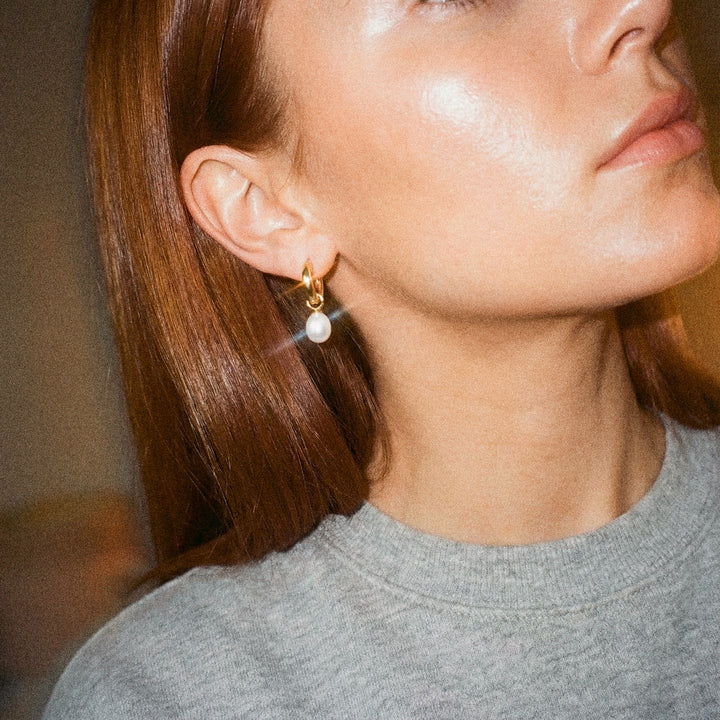
Add graduated pearl earrings for layered, balanced dimension.

Arrange layers by length to achieve a balanced, effortless composition
Set relative strand lengths so each layer sits distinctly: position the shortest at the collarbone, make the middle roughly 2.5 to 5 centimetres longer, and make the longest a further 5 to 10 centimetres beyond the middle to prevent overlap and create a clean, graduated silhouette. Reserve more uniform, round pearls for the upper, shorter strands to provide balance, and place larger or more irregular baroque pearls on the lower strands to introduce movement. Gradate pearl sizes across the strands so no single line dominates the composition.
Introduce deliberate spacing by adding small spacer beads or silk knots between irregular pearls, allowing each unique shape to read as an individual highlight rather than a dense cluster. Anchor the composition with a focal point on the longest strand, placing a standout baroque pearl or pendant slightly off-centre for a subtle contemporary twist, while keeping the remaining strands more symmetrical to preserve overall balance. Try the arrangement on the body, photograph it from several angles and observe how natural movement affects the way the layers fall. Fine-tune the lengths in 1 to 2 cm increments until the layers no longer tangle and the eye travels smoothly from the collarbone to the centre.
Anchor the longest strand with a delicate pearl pendant

Elevate a symmetrical design with irregular accents
Position a single baroque pearl at the necklace's one-third point rather than the centre, and balance its visual weight with two or three smaller round pearls or a discreet metal spacer so the irregularity reads as a deliberate accent. Alternate larger baroque elements with runs of smaller rounds, and deliberately knot or leave space between irregular shapes to create a measured rhythm and generous negative space. Control movement by knotting either side of the baroque pearl, or by adding tiny stabilising beads or bead tips where shapes tend to rotate, and try the necklace on a wearer to confirm the accents sit as intended. Photograph the arrangement both flat and worn to judge how the composition resolves in real life.
Select baroque pearls whose colour overtone either contrasts with or complements the round pearls; a warm-toned baroque will stand out against cooler rounds, while subtle differences in lustre introduce depth without upsetting the overall balance. Introduce a repeated micro-motif, for example, two small rounds flanking a baroque or a mirrored cluster of seed beads on the opposite side, to create visual cohesion among the irregular accents. Photograph the piece both laid flat and worn, then refine spacing and motif placement until the necklace feels balanced and comfortable in motion.
Try a single refined pendant for balanced, wearable elegance.

Choosing fastenings, assessing wearability and caring for pearls
Match the clasp to the combined weight and wear pattern of the necklace. Choose a fastening that resists accidental opening; for heavier or multi-strand pieces consider a safety catch or a screw barrel clasp. Select a metal tone that complements the pearls so the connections appear cohesive when the strands rest together. Build and test the drape by threading mock strands on temporary cord or ribbon and fastening them in the intended order. Move, bend and walk while observing for tangling or rotation, then adjust lengths so each strand falls clearly without covering another focal pearl. Place one or two larger baroque pearls as focal points, offsetting them with evenly spaced rounds to create a pleasing rhythm. Vary strand lengths so focal pearls do not collide and each element can be appreciated on its own.
Protect the nacre and control movement by knotting between each pearl; this reduces abrasion and ensures a strand will not lose multiple pearls if it breaks. Add small spacer beads or short sections of soft cord to isolate large baroque pearls and prevent them from rubbing against their neighbours. Place knots strategically to prevent uneven pearls from flipping, and use subtle connectors to create a cohesive line. After each wear, gently wipe pearls with a soft, lint-free cloth and avoid contact with perfumes, cosmetics and chlorine. Store strands flat in a soft pouch to prevent stretching, and restring when knots show signs of wear or when a strand begins to sag to maintain both safety and appearance. These simple measures help preserve the pearls' natural lustre and ensure their genuine beauty endures.
Layering round and baroque pearls is a considered design process: shape, size, colour and spacing are used to create focal points and rhythm. Try combinations on the body, photograph from several angles and adjust strand lengths by centimetre increments to appreciate how movement, lustre and balance read in real life.
Position a single baroque pearl to anchor the eye, then combine smaller round pearls for balance. Stagger the strand lengths to create a clean, flattering silhouette, and add knots or discreet spacers to protect the nacre and prevent unwanted rotation. Make subtle adjustments, note the results, and observe proper care so the finished necklace sits comfortably, appears deliberate from every angle and endures wear.