

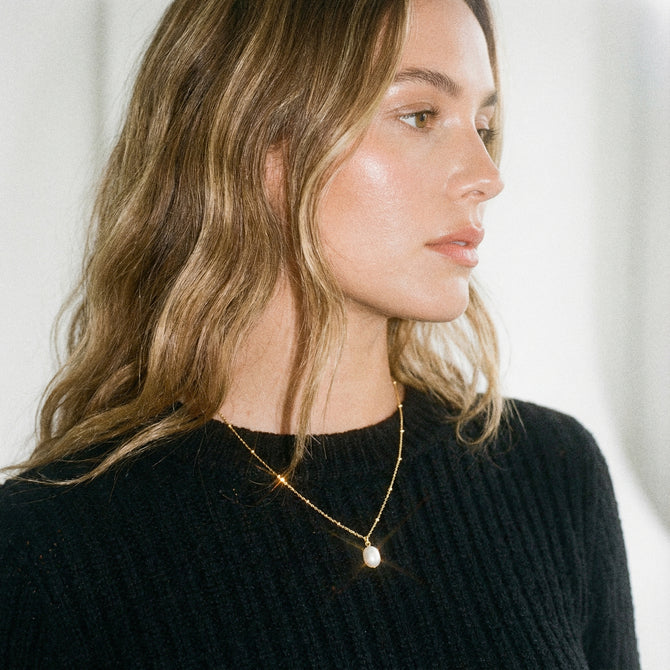

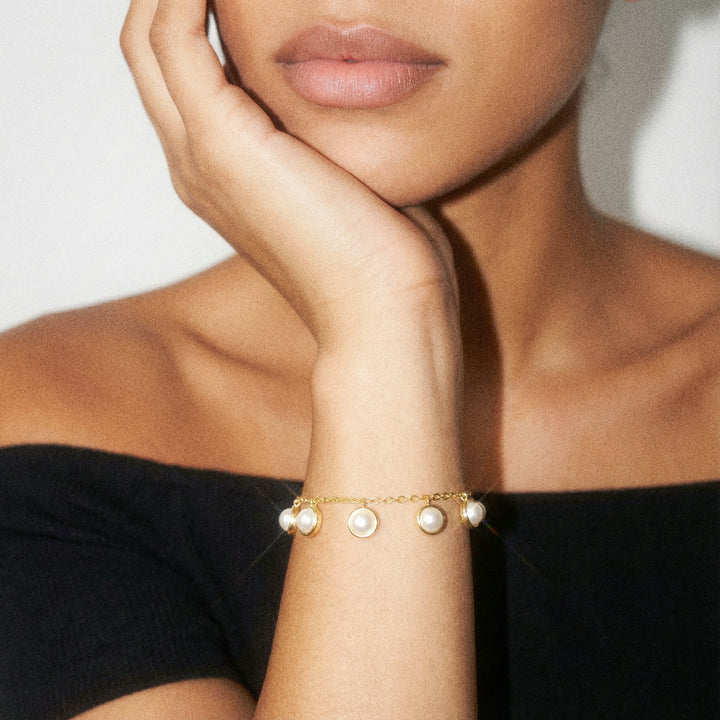



Layering bold chains with delicate pearls can sometimes seem like an unexpected pairing, leading to uncertainty about achieving a harmonious look. How does one combine substantial links with refined pearls to create an ensemble that feels elegant, balanced, and thoughtfully composed?
This article guides you through the art of layering with pearls, from balancing scale and texture to selecting complementary metals and finishes. It offers thoughtful advice on building around a distinctive focal piece, ensuring each element contributes to a harmonious whole. Discover refined guidance for pairing necklaces with various necklines, ensembles, and occasions, as well as tips for securing fastenings to avoid tangling and maintaining the natural lustre of your pearls with gentle care.

Balance bold chains with delicate pearls
Begin by establishing a considered visual hierarchy: let the boldest chain sit closest to the base of the neck, layer a mid-length strand of pearls above, and finish with a finer, shorter chain at the collarbone. This arrangement draws the eye naturally from the more substantial to the more delicate. Achieve harmonious proportions by selecting pearls that complement the scale of the statement links, or opt for a mix of pearl sizes to create balance without competition, for instance, pairing 8 to 12 mm links with 4 to 8 mm pearls. Introduce contrast through texture and finish, combining polished metal chains with baroque, satin, or softly lustrous pearls to allow each layer its own distinction. For a sense of cohesion, consider keeping to a single metal, or add subtle interest with a single contrasting tone. Warm metals pair beautifully with cream-hued pearls for a gentle effect, while cool metals with white pearls offer a refined, contemporary feel.
Attention to fit and movement is essential when styling layered necklaces. Consider how different lengths complement your preferred necklines, and make subtle adjustments such as incorporating chain extenders or repositioning clasps to ensure each piece sits gracefully. Arranging heavier strands so they lie flat helps prevent tangling, while thoughtful placement keeps layers refined and prevents them from merging into a single cluster. With these gentle refinements, the overall effect is one of effortless organisation and elegant balance, allowing each element to shine in harmony.
Add delicate 4mm pearls for balanced layering.
![{"description": "A close-up image showing the lower face and neck of a person wearing two necklaces on a dark shirt. One necklace is made of white pearls with a round gold pendant, and the other is a gold chain with large links also featuring a similar gold pendant. The camera angle is slightly above the subject, focusing on the neck area. The background is out of focus, emphasizing the jewelry details.", "people": {"count": 1, "roles": ["model"], "visible_demographics": "partially visible lower face and ne](https://cdn.shopify.com/s/files/1/0371/8817/3961/files/description_a_close_up_image_showing_the_lower_face_and_neck_of_a_person_wearing_two_necklaces_on_a_dark_shirt_one_necklace_is_made_of_white_pearls_with_a_round_gold_pendant_and_the_o.webp?v=1769596419)
Image by Vitor Diniz on Pexels
Choosing the Perfect Metal and Pearl Finish Pairings
Consider whether a warm or cool metal undertone will guide your selection, then seek pearls whose overtones complement this choice; for instance, yellow metals enhance creamy or golden overtones, whilst silver or white metals lend a crispness to grey or silvery hues. Opt for one principal metal and introduce a secondary tone with subtlety, allowing pearls to serve as a graceful connector by echoing their hue or overtone throughout layered pieces. For a refined aesthetic, pair high-lustre pearls with polished chains, while satin or baroque pearls naturally harmonise with matte, brushed or oxidised finishes, creating an elegant interplay of textures.
Achieve harmonious balance by thoughtfully aligning the scale of each element—pair substantial links with larger, organic pearls for a sense of proportion, while delicate chains complement smaller, uniform pearls without overwhelming the arrangement. Consider how each combination appears against your skin and attire, observing the interplay between metal tones and pearl lustre in natural light. Adjust one detail at a time, such as chain texture or pearl silhouette, to appreciate subtle shifts in colour, radiance, and contrast. Often, choosing a brushed finish over a polished one can refine the overall look, ensuring the ensemble feels cohesive both in person and in photographs.
Try grey pearls with gold-plated settings for striking contrast.

Image by Liya Yaustratava on Pexels
How to Curate a Stylish Look Around a Statement Piece
Begin by choosing a single focal piece, such as a bold chain or an elegant pearl collar, allowing it to take visual precedence through its width, colour, or lustre in contrast to any supporting pieces. Align the placement of this centrepiece with the shape of the neckline: a collar design complements higher necklines, a short pearl strand suits a bateau neckline, while a longer, substantial chain naturally enhances a V-neck. Hold each necklace against your attire to ensure it settles gracefully. When curating complementary layers, select finer or more understated pieces to create a distinct visual hierarchy, introducing variations in chain widths to lend a sense of rhythm and avoid a uniform effect.
Introduce depth and interest by pairing a matte, weightier chain with the smooth, lustrous surface of pearls, ensuring a difference of at least 2 to 4 centimetres in length so each piece retains its distinction. Subtle adjusters or extenders allow for precise alignment and comfort, keeping the focal design elegantly centred, while placing more substantial chains beneath helps prevent tension. Gently move your shoulders once adorned to confirm that each layer drapes gracefully and the pearls remain untwisted, making slight adjustments to spacing or balance as needed for a harmonious finish.
Choose a luminous 9mm pearl for layered focal impact.
![{"image_loaded": true, "load_issue": null, "people": {"count": 1, "roles": ["model"], "visible_demographics": "adult female, light to medium skin tone, brown eyes, red-brown hair", "attire": "white top and black blazer", "pose_or_activity": "calm, direct gaze toward camera"}, "setting": {"environment_type": "indoor", "location_hints": "plain white background, neutral setting", "depth_scale": "close-up", "lighting": "soft, diffuse, even lighting, natural skin tones", "temperature": "neutral"}, "objects": {"p](https://cdn.shopify.com/s/files/1/0371/8817/3961/files/image_loaded_true_load_issue_null_people_count_1_roles_model_visible_demographics_adult_female_light_to_medium_skin_tone_brown_eyes_red_brown_hair_attire_white_top_and_black_blazer_po_15751119-19cd-4e4a-b334-7fc653a0a4fb.webp?v=1769596431)
How to Pair Necklaces with Necklines, Outfits, and Occasions
Coordinate necklace lengths with your neckline and ensemble, allowing each piece to rest gracefully on clear fabric and avoid crowding the collar. A refined choker or a shorter, sculptural chain complements high necklines or collars, while an elegant mid-length pearl strand suits crew or boat necks. For V-neck or plunging styles, consider a longer pendant or chain to enhance the silhouette and distinguish each layer. Select a single focal element—often the more substantial chain or the pearls—and position the visually weightier piece slightly lower to ground the arrangement, allowing the other to play a supporting role. Pair the lustre of pearls with textured, oversized links, keeping pearl beads understated in relation to the chain to create harmonious contrast and guide the eye smoothly along the layers. Leave considered spacing between strands to maintain balance and clarity without overcrowding, ensuring a look that feels both rhythmic and composed.
Tailor your layers to suit the occasion and the fabric by choosing understated, closer combinations with structured tailoring or for formal settings, while opting for more fluid, elongated layers with relaxed or patterned attire. When wearing bold prints, simplify your jewellery to allow each necklace to stand out. Experiment with different pairings while standing, and gently turn your head to observe how the strands move. Adjust lengths using extenders or a discreet secondary clasp to ensure the shortest necklace rests elegantly at the base of the neck and to avoid tangling. Finally, make sure each strand lies smoothly and does not catch on collars, as attending to these subtle details brings an effortlessly composed finishing touch to any layered look.
Anchor layers with a delicate pearl strand.

How to Keep Pearl Jewellery Secure, Tangle-Free, and Pristine
To ensure layered necklaces remain elegant and comfortably aligned, consider subtle techniques for securing each piece. Opt for locking clasps or discreet safety chains at the nape, gently anchoring strands to prevent heavier chains from moving independently. For added stability, connect multiple layers to a single, reinforced fastening and replace delicate rings with split rings where additional strength is needed. Stagger the lengths, textures, and weights by several centimetres to create graceful separation and avoid tangling. Incorporating slender spacers or short beaded segments can help keep each layer in place as you dress, while a soft bead or a fine, clear tube placed where chains meet pearls serves to protect delicate surfaces from abrasion.
Pearls possess a delicate nacre that can lose its lustre if exposed to abrasion or everyday products such as cosmetics, perfume, or acidic substances. To care for your pearl necklaces, it is advisable to put them on after applying beauty products and to remove them before engaging in cleaning or swimming. After each wear, gently wipe pearls with a soft cloth to maintain their natural sheen and remove any oils or residue. Should you wish to protect the drill holes from pressure or potential chipping from chain fittings, consider seeking guidance from a professional jeweller for the most appropriate findings. Regularly examine clasps, jump rings, drill holes, and the thread for signs of wear; pearls are best knotted on silk or synthetic cord to prevent loss should a strand break. Arrange for rethreading before any visible signs of wear appear, ensuring your pearls remain as elegant as the day they were acquired.
Layering statement chains with pearls creates a refined interplay of scale and texture when visual harmony is thoughtfully considered. Balancing proportions and selecting metals and pearl finishes that complement one another adds sophistication to the arrangement. Adjust lengths and positions gracefully to suit your neckline, ensuring that each piece sits comfortably and remains effortlessly untangled throughout the day.
Focusing on key pieces, thoughtfully pairing necklaces with your ensemble, and maintaining a considered care routine ensures every combination feels purposeful and refined. Begin by selecting a single statement piece, adjust layers so each sits elegantly apart, and complete your look by gently caring for your pearls to preserve their natural lustre and poise.