




Are you torn between the organic charm of baroque pearls and the perfect symmetry of round pearls when choosing jewellery for everyday wear or special occasions? The right pearl can change an outfit’s tone, making a casual look appear intentional, or a formal look feel relaxed and modern.
This guide compares shape and lustre, matches pearls to daily and formal outfits, and explains how to style them with necklines, hair, and other jewellery so you can make confident choices. It also covers assessing quality, finish, and care, and outlines how to build a versatile pearl wardrobe that mixes shapes for maximum impact.

Comparing baroque and round pearls: shape, lustre and character
Notice how a pearl's shape and lustre influence the way it catches light. Round pearls create symmetrical, mirror-like highlights with a clear central specular highlight, which reads as more formal and refined. Baroque pearls scatter light across facets and pits, producing a textured, artisanal glow. View pieces in soft natural light: a sharp reflection of the light source indicates a bright, polished appearance, while a softer, broken shimmer suggests a more diffuse, atmospheric sheen. Use these observations to imagine how the pearl will sit under evening lights or in casual daylight. Match shape to outfit and occasion: choose small, high-lustre round studs or a single-strand round necklace to complement tailored, structured clothing, and favour baroque pearls for relaxed fabrics, layered looks, or as a distinctive focal point in everyday wear.
Scale and symmetry determine proportion. Uniform, round pearls create a compact, classical silhouette that flatters collars and formal necklines. Varied baroque sizes introduce vertical movement and suit open necklines or casual layering. When mixing rounds with baroques, prioritise surface quality first: pair high-lustre rounds with polished baroques, or satiny baroques with lower-lustre rounds. Unify the set with a consistent metal finish or a recurring colour to avoid visual tension. Care should also inform your choice. Smooth, high-lustre rounds reveal scratches and acid marks more readily, while baroques hide minor wear but can trap dirt. Wipe pearls gently with a soft cloth after wearing, avoid perfume and hair products before putting them on, store pieces flat and separately, and check clasps and pins regularly.
Choose baroque studs for textured, everyday elegance.

How to pair pearls with everyday and formal outfits
Choose uniform round strands to complement structured, formal outfits; their symmetry reinforces tailored lines and the consistent silhouette sits neatly against blazers and sheath dresses. Short lengths, such as chokers and matinee strands, work best with high necklines and collars, while pendants and longer strands flatter V-necklines and lower-cut tops. When round pearls take centre stage, limit competing accessories and keep metal tones unified so the overall look reads intentional and composed.
Use baroque pearls to enliven everyday outfits, allowing their irregular shapes and varied lustre to catch the light against knits, denim or plain T-shirts. Choose a single pendant, drop earring or short chain to introduce interest without competing with other textures. Opt for larger baroque pieces to balance open necklines, while smaller pearls suit close-fitting tailoring. Pair one baroque element with a classic round strand for contrast, or limit metal tones to a single palette to maintain cohesion. Finally, select pearls with warm or cool overtones to harmonise with your colours, and ensure clasps and fastenings sit securely so the jewellery reads as deliberate and well composed.
Introduce a single baroque stud to enliven casual looks.

How to style pearls with necklines, hairstyles and jewellery
Match pearl shape and length to the neckline and the garment's structure. A single drop or a princess-length strand sits neatly in the V of a V-neck, helping to elongate the torso, while a short strand or choker mirrors boat necks and square collars. Use your hair to direct attention: wear an updo or tuck hair behind the ears to reveal a statement necklace, or leave hair long and loose when choosing studs or small drops so the overall look remains balanced. For everyday wear, favour small to medium pearls for comfortable movement, and select larger pearls for formal occasions when they read as intentional. Bear in mind that baroque pearls often appear larger than round pearls at the same diameter, so opt for a slightly smaller size when you want a subtler impact.
Choose a single pearl piece to act as the focal point and keep other jewellery minimal. Match metal finishes across clasps, chains and rings to maintain a cohesive appearance. When mixing baroque and round pearls, place the more symmetrical round pearl nearest the face as a formal anchor, and position the irregular baroque piece lower or slightly off-centre for artistic contrast. Pair polished round pearls with crisp, structured fabrics for a refined, formal effect, use baroque pieces to introduce texture with softer or patterned garments, and select overtones that harmonise with the wearer’s complexion so the pearls appear integrated rather than applied.
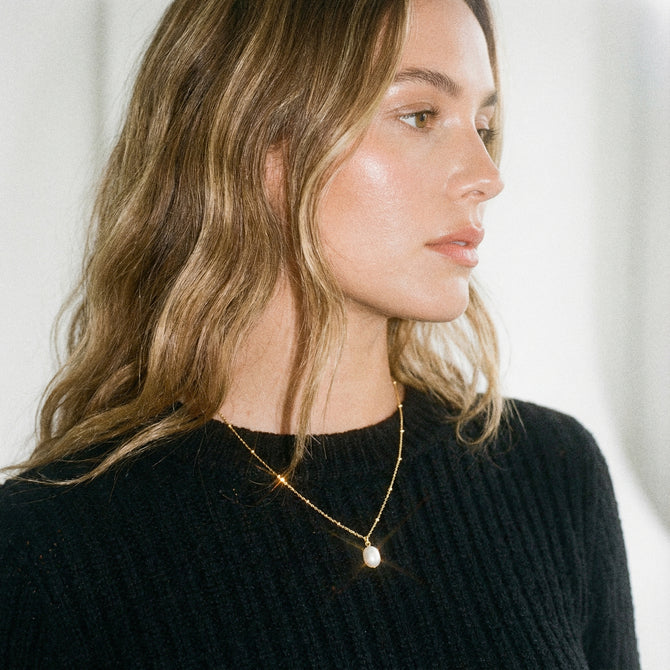
Opt for a delicate gold-plated pearl strand.

How to assess the quality, finish and care of pearls
Examine pearls in soft, diffuse light to judge their lustre; sharp, mirror-like reflections are a sign of strong, healthy nacre. Compare the depth of those reflections between pearls to infer relative nacre thickness. Gently draw a pearl across the edge of a fingernail or a tooth — a faintly gritty sensation points to genuine nacre rather than a surface coating. Surface finish is important: high-gloss pearls will show scratches and blemishes more readily, while a satin or irregular surface can mask everyday wear. Choose a finish that fits how often you will polish and inspect the piece. Rotate pearls under steady light to observe highlight placement and uniformity; a near-perfect match will read as formal, whereas deliberate irregularity creates a more relaxed effect.
Inspect a piece's construction for everyday wear by checking drill holes for chipping and ensuring knots between pearls are firm. Favour low-profile settings or protective bezels to reduce snagging. After wearing, gently wipe pearls with a soft, slightly damp cloth and store each item separately in a soft pouch to avoid abrasion. Examine drill holes under magnification for signs of dye or coatings, and ask for disclosure or documentation if anything appears altered. If you plan to wear pearls frequently, prioritise pieces with thicker nacre or clear structural detail, and organise re-stringing or a professional inspection at the first sign of cord looseness or fraying rather than waiting for visible failure.
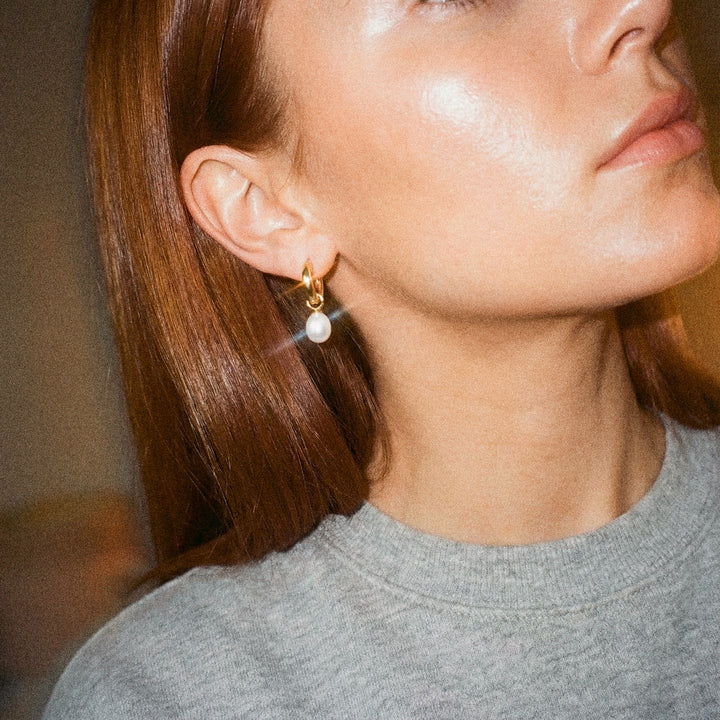
Choose a convertible, low-profile pair for everyday wear.

Build a versatile pearl wardrobe by mixing shapes
Round pearls reflect light evenly, giving a uniform, classic sheen that sits neatly against a tailored collar. Baroque pearls scatter highlights across irregular surfaces, creating sculptural interest that draws the eye. Use that contrast to choose a focal point: matched round strands, symmetrical studs or uniformly sized drops lend a formal, structured silhouette, while a single baroque pendant, an asymmetrical drop or a mixed cluster of small studs reads as artistic and relaxed for everyday wear. Swapping one element, for example replacing a pendant with a round strand, will immediately shift an outfit from casual to polished because the visual weight and the way the pearls catch the light change. When layering, begin with the shortest necklace, alternate shapes between strands and keep the largest focal pearl closest to the face to preserve proportion and avoid overcrowding.
Match overtone and lustre to create a cohesive appearance. For subtle daytime looks, opt for smaller pearls or those with a softer lustre, and reserve closely matched, high-lustre round pearls for symmetrical, formal looks, because mismatched overtone or scale can disturb the overall harmony. Balance larger or bulkier pearls with delicate metal chains or small gemstone accents, and photograph or sketch arrangements to check spacing, scale and overlap before wearing. Store mixed shapes separately in soft pouches or divided compartments, clean pearls gently using non-abrasive methods to preserve their lustre, and arrange regular restringing for necklaces with varied bead shapes to maintain drape and structural integrity.
Round pearls display a distinct central sheen that complements tailored silhouettes, while baroque pearls scatter highlights across facets and pits to add texture and a more relaxed focal point. Assess lustre in soft, diffuse light, compare overtones and surface finish, and inspect drill holes, knots and settings so the pearl’s light behaviour and construction complement how you intend to wear it.
Consider necklines, hairstyles and layering to place the most luminous pearl nearest the face. Balance proportions with slim chains or delicate accents, and harmonise metal tones across pieces. Attending to shape, lustre and proper care will help you create a versatile pearl wardrobe that moves effortlessly from polished formality to relaxed, creative everyday ensembles.