



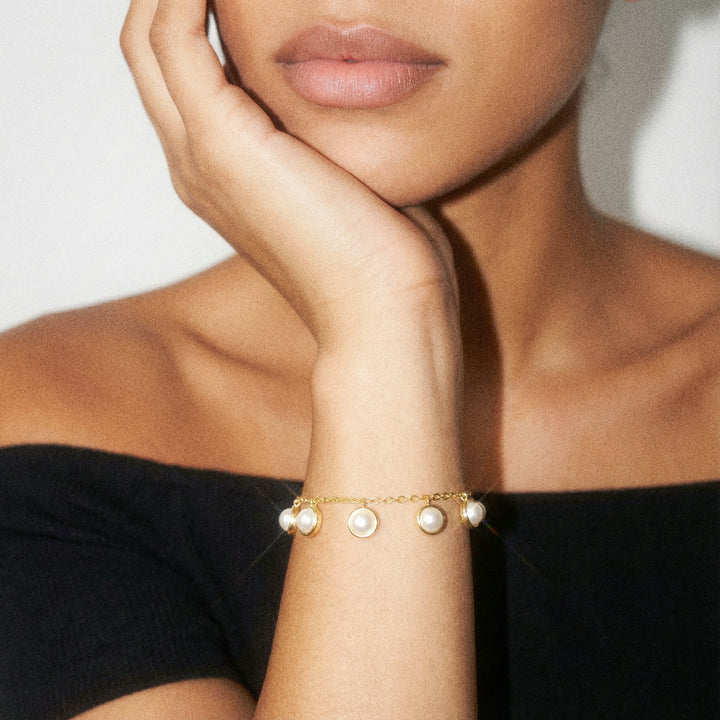



Do your pearls lose their lustre sooner than expected, or feel awkward to wear depending on their shape or setting? Small differences in weight, form and mounting produce distinct wear patterns, contact points and cleaning needs, so recognising these factors makes caring for pearls more effective.
This post explains how to assess a pearl's shape and setting, adjust handling for heavier or irregular pearls, select cleaning methods suited to different surfaces, and store and transport jewellery to avoid damage. It also outlines straightforward inspection routines and when to consult a professional jeweller, so you can preserve your pearls' lustre and structural integrity with confidence.

Assess shape, weight and setting to determine the best care for pearls
Heavier pearls place greater strain on silk threads and clasps, which can accelerate fraying and loosening. Check knot integrity and clasp function, and consider earlier re-stringing or reinforcement for multi-strand pieces, where cumulative weight increases the load. Irregular, baroque and drop shapes tend to trap oils and debris in crevices and can create protruding contact points that are susceptible to scratching. Wipe pearls gently with a soft cloth and a mild, pH-neutral solution, and store each piece in a padded, separated compartment to prevent point-to-point abrasion.
Where a piece is set and where it is worn will affect how it should be cared for. Open prong or tension settings expose more of the pearl's nacre to sweat, cosmetics and knocks, so these styles benefit from gentle, more frequent wiping and routine checks. Bezel or closed settings help protect the edges but can trap moisture and residues beneath the mount. Rings and bracelets endure greater impact and abrasion than pendants, which can hasten surface dulling and edge wear. For jewellery worn often, opt for low-impact settings to reduce maintenance. Keep a simple record of any looseness, visible wear and cleaning intervals so you can anticipate when professional attention will be needed.
Choose low-impact hoops for daily pearl wear.

Tailor how you handle and wear pearls to their shape and weight
Heavier pearls concentrate mechanical stress at knots, clasps and prongs, accelerating thread abrasion and risking microscopic faults in the nacre. To reduce wear, consider using a thicker thread or double-stringing, tie secure knots and perform a gentle tension check before wearing to detect any slack. Irregular, baroque and drop-shaped pearls tend to trap skin oils and debris in crevices, so brush them gently with a soft brush and inspect grooves more frequently. By contrast, perfectly round pearls distribute contact and grime more evenly and generally tolerate simpler cleaning.
The type of setting affects how much care a pearl requires. Cup, bezel and partial settings cradle the pearl and distribute pressure, helping to reduce abrasion. By contrast, open prongs, drill-through and pegged settings concentrate force at particular points, which can enlarge drill holes or loosen the pearl, often visible as widened holes or bent prongs. Remove heavier or irregular pieces for high-impact or manual tasks, and avoid mounting large pearls on delicate rings where leverage could deform the setting. Store necklaces flat on a soft surface, keep pieces separate and cushion heavier items to prevent constant tension. Check regularly for loosened knots, movement in settings or persistent dirt in recessed areas, and consult a professional for non-ultrasonic cleaning or re-stringing when these signs appear.
Opt for a durable, layering-ready pearl strand.

How to tailor cleaning methods for different shapes and surfaces
Always inspect a pearl's shape and surface before cleaning. Smooth, round pearls respond best to a soft, lint-free cloth, while baroque or irregular shapes can trap skin oils and dust in crevices, which a soft-bristled brush or a cotton bud can lift. Match your technique to the pearl's nacre thickness and finish: pearls with thicker nacre can tolerate careful wet cleaning, whereas thin or dyed surfaces remain vulnerable to chemicals, strong vibration and heat, so avoid strong detergents, solvents, ultrasonic cleaners and steam. Polish smooth pearls with light, circular strokes and brush textured pieces gently. Clear drill holes with a dry cotton bud and ensure the pearls are completely dry to preserve their lustre.
Factor in weight and stringing when scheduling maintenance, as heavier or larger pearls place extra tension and friction on knots and clasps and so accelerate wear. Inspect strands for flattened knots, fraying or looseness and plan to restring when you notice thread abrasion or weakened knot integrity. Be mindful of the setting: prong and bezel mounts can trap moisture and grit beneath the pearl, while glued settings may soften or fail if exposed to solvents or heat. Clean fixed areas gently with a damp cotton bud and avoid immersing glued pieces. Store each piece flat and separately to prevent contact abrasion, and check mountings for looseness both before and after cleaning to help maintain shape and colour.
Choose sculptural freshwater pearls for textured, easy-care elegance.

How to store and transport pearls to protect their shape and settings
Store pearl strands flat in soft, breathable pouches or lined compartments to minimise continuous tension on silk threads and to prevent abrasion. As gravity can gradually elongate silk, laying strands flat helps preserve thread integrity and reduces bead gaps and clasp migration. Match storage to a pearl's shape and weight: round, uniform pearls may sit closer together, whereas baroque or heavier pearls benefit from individual cushioning and flat storage to avoid point loading, excessive thread strain and an increased risk of chipping.
When transporting pearls, keep each piece immobilised in a rigid, padded case. Nestle soft pouches into moulded compartments or wrap items in soft tissue so pearls cannot roll or rub together, since repeated movement produces micro-abrasions on the nacre that accumulate over time. Protect settings by padding prongs, bezels and clasps with soft fabric or foam, as bent prongs alter how a pearl sits and increase lateral movement that accelerates wear. Store pearls separately from metal jewellery and away from cosmetics or perfume, because tarnish and residues can transfer to the nacre and change its surface.
Choose cushioned storage for delicate drop pearls.

Ensure longevity with regular inspections, proactive maintenance and professional servicing
Heavier pearls place greater mechanical stress on threads, clasps and prongs, so heavier pieces often show sagging strands, stretched knots and loosened fastenings. Check tension by lifting a necklace to feel for any slack; test prongs for movement by gently probing their tips with a wooden toothpick. Shape affects wear: round pearls distribute pressure evenly, while baroque and concave shapes can trap dirt and cause local abrasion of the nacre. Flat-backed pearls set beneath bezels are subject to concentrated compressive forces that can thin contact points. Use a soft brush to remove debris from crevices, store irregular shapes so they do not bear weight, and inspect contact areas with a loupe for thinning nacre or moisture ingress in drilled and strung pieces.
When caring for pearl jewellery, bear in mind that peg-set or glued mounts may fail if exposed to solvents or heat, prong tips will wear with repeated contact, and drilled-and-strung constructions can admit moisture. Inspect glue lines under magnification and avoid ultrasonic or steam cleaning for pieces secured with adhesive. At home, wipe pearls with a soft, slightly damp cloth after wearing them and photograph items periodically to record any changes. Regularly check for chips, loose settings, stretched thread or discolouration, and stop wearing any piece that shows flaking nacre or sudden looseness. Organise professional attention for deep chips, detached pearls or issues that do not respond to careful home cleaning. Expect trade-offs with some repairs: re-stringing with knots protects the pearls but may shorten the strand, re-seating or re-gluing should be carried out with appropriate adhesives, and metal polishing restores finish while removing a thin layer of metal.
Pearl care depends on factors such as nacre quality and surface condition, along with shape and setting. Together these influence wear patterns, contact points and cleaning needs. Assessing them lets you adapt handling, storage and inspection routines to a pearl's characteristics, helping to preserve its lustre and structural integrity.
Carry out routine checks for thread tension, prong movement and any trapped residue, and immobilise pieces during transport. Remove any item that shows flaking nacre or a sudden loss of security. Keep a concise record of wear and maintenance, and organise professional servicing for deep chips, loose mounts or persistent issues to preserve appearance and fit.