

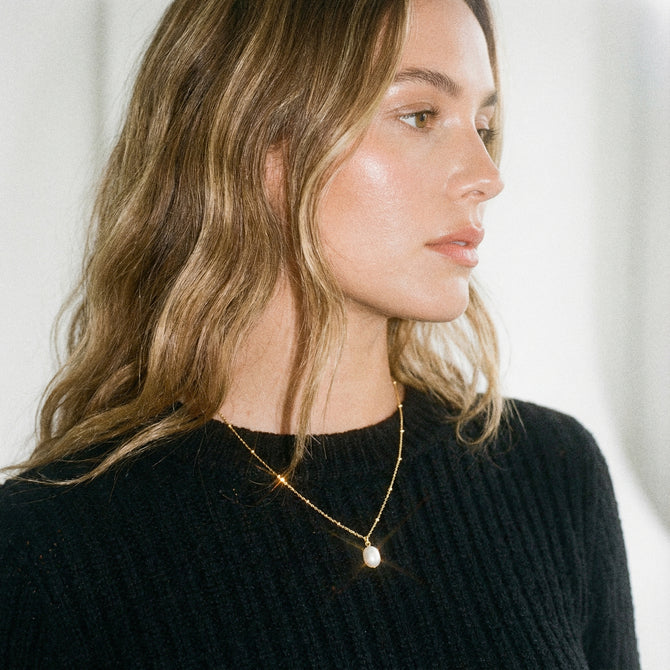
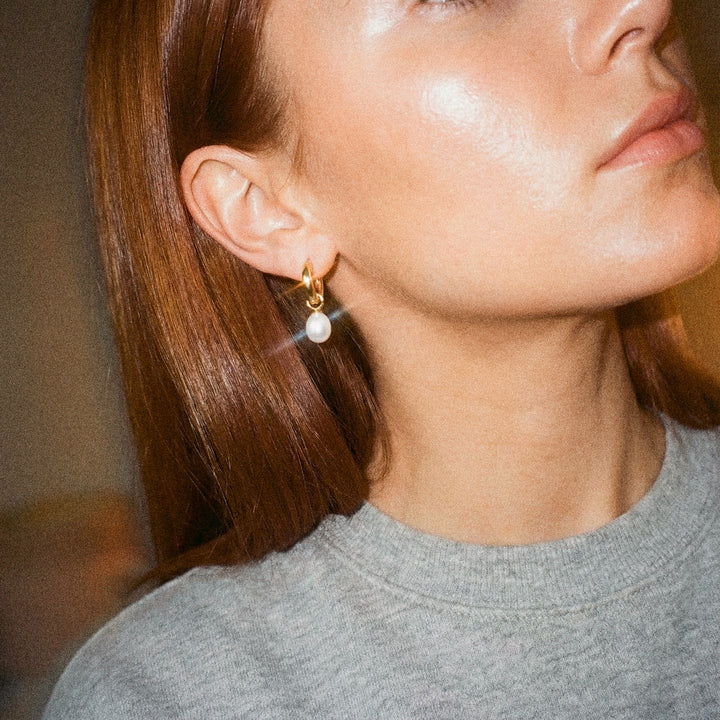
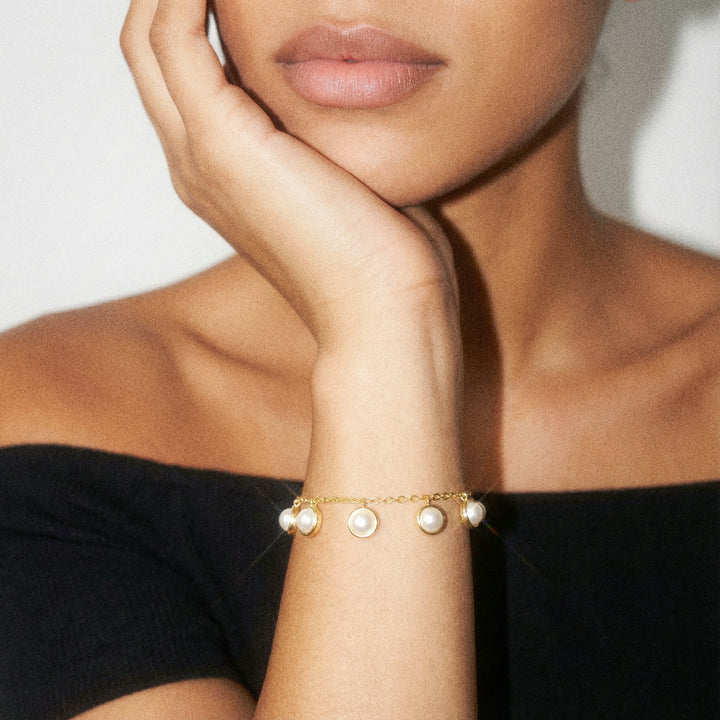



Choosing the right earring size can subtly change how your face reads, yet many of us default to what we own rather than what best complements our features. Should your pearls gently accentuate, or set a bolder presence, and what role do shape, surface, and setting play in that choice?
This guide walks you through picking a pearl size to set your presence, using shape and surface to define character, and balancing proportions with your face shape to control visual weight. It finishes with practical tips on style, fit, comfort, and everyday care so your earrings look considered and feel effortless.

Image by cottonbro studio on Pexels
Pick a pearl size to set your presence
Measure your earlobe width and face length in millimetres to apply simple proportion rules: studs about half the lobe width read subtle, studs roughly equal to the lobe create a classic effect, and pearls of 10 millimetres or larger register as room-facing statements, which explains why the same pearl can look delicate on one person and overpowering on another. Match pearl shape to facial structure, since round pearls emphasise roundness, while drops or ovals add vertical lines that visually lengthen the face; choose drops for round faces, studs or hoops for long faces, rounded shapes for square jaws, and lower-weighted designs for heart shapes to balance a narrow chin. Use these pairings to make measured adjustments rather than guesses.
Test comfort and wearability by weighing a single earring on a kitchen scale, or by wearing a comparable pair for an hour to check for pulling, soreness, or droop, because heavy earrings can stretch pierced lobes over time. Consider viewing distance, hairstyle, and outfits: small pearls read refined at conversational distance, medium sizes suit work and casual wear, and larger pearls register as formal pieces across a room. Inspect pearls in natural light, note how colour and lustre change with movement, and remember that surface blemishes become more obvious on bigger pearls. Aim for the smallest size that achieves the presence you want, prioritise secure backs and simple closures for larger pieces, and try combinations with different collars and necklines to see how scale interacts with your features.
Choose 4mm pearl studs for subtle, conversational elegance

Image by cottonbro studio on Pexels
Use shape and surface to define pearl character
As a guide, 4–6 mm studs sit close to the lobe and read subtle, 7–9 mm feel like classic everyday pearls, and 10 mm and above create a clear presence. Larger pearls catch the eye and reflect more light, so they become the focal point of an outfit, while smaller pearls recede and pair well with other pieces. Match shape to facial structure and hairstyle: elongated or drop shapes add vertical lines and lengthen a round face, round or button pearls soften angular features, and baroque shapes introduce texture and a relaxed character. View pearls in natural light and tilt them to assess lustre, because high lustre acts like tiny mirrors, satin finishes read quieter, and textured surfaces scatter light and can appear larger.
Consider construction and wearability, not just diameter: check post length, backing security, and favour flatter coin or button styles for prolonged wear, and test comfort by wearing a candidate pair for an hour to detect pulling or irritation. Balance pearl scale with other jewellery, necklines, and body frame by pairing small studs with high collars and layering, and reserving longer drops for open necklines so the earring feels intentional. Lay out the entire outfit or place items side by side to confirm harmony before committing, and try pieces in a mirror or in photographs to judge the final effect.
Choose flat button studs for prolonged comfort and easy pairing

Image by Inna Mykytas on Pexels
Balance earring proportions with your face shape
Start by reading proportions: measure cheekbone width, jawline width, and face length from hairline to chin, then classify broadly as round, oval, square, heart, or long. Choose earring lines that counterbalance the dominant axis, because vertical emphasis lengthens, and horizontal emphasis adds width. For example, round or short faces benefit from vertical drops, linear studs, or elongated hoops to create length, long faces work better with wider, shorter forms such as chunky studs, circular hoops, or clusters, square faces soften with curved shapes, and heart shapes gain balance from teardrops or chandeliers that add width near the jaw.
Use simple, repeatable proportion rules at home: aim for earring length about one third to one half of your face length to elongate, and choose widths close to your cheekbone width when you want to add breadth. Verify by holding the earring next to your face or taking a front-facing photo and comparing silhouettes. Consider construction, because the centre of mass changes how a piece reads; lighter, hollow, or chain-set designs sit closer to the ear and read smaller, while heavy, low-centred items droop and lengthen the lobe. Match scale to hairstyle and neckline: short hair or updos allow larger, intricate pieces, long hair benefits from simpler, higher-contrast shapes, and high necklines pair best with earrings that create vertical movement, so photograph pairings to judge how scale reads at a distance.
Choose pearl drops to lengthen round or short faces

Image by cottonbro studio on Pexels
Control visual weight with style and setting
Use face and ear proportions to judge scale by holding the earring next to the lobe or photographing yourself at the distance you normally view your reflection, so you can see whether the silhouette lengthens, widens, or harmonises with your jawline and neck. Choose settings to change perceived size and brilliance, since prong settings expose more stone surface and increase sparkle, bezels create a neat, compact outline, pavé or halo styles add apparent surface area, and openwork or wire settings reduce visual mass. Prefer thinner wires, hollow constructions, or movement to lighten visual weight, and try heavier pieces at home to check comfort and backing stability before committing.
Balance earrings with hairstyle, clothing, and other accessories by matching scale to necklines and necklace size so the overall silhouette reads intentional rather than cluttered. High necklines and busy patterns can compete with large, ornate designs, while an updo or bare neckline amplifies length and drama. When you want a dramatic look that still feels effortless, choose one statement piece and keep other elements restrained, or select supportive backs and constructions that distribute weight across the lobe for stability. Try any candidate pair for at least an hour to assess how the weight feels in real life, and check post thickness and backing types to avoid long term stretching or fatigue.
Compact, lightweight pearl studs for a clean, balanced silhouette

Image by cottonbro studio on Pexels
Optimise fit, comfort and care for everyday wear
Start by matching earring scale to your face and ear: measure the vertical length of your earlobe and use it as a reference for drop length, favour pieces that sit entirely within the lobe for a discreet look or longer drops to elongate the neck and balance a round face. Take a phone photo at typical conversation distance to see how shape and size read in real life, and lift each piece to feel its pull while mimicking normal movement to judge comfort. For everyday wear, choose hollow constructions, thin gauges, or resin-filled designs that reduce downward tension and the risk of lobe stretching.
Match closure and post design to your habits and piercing by testing security with a gentle shake, preferring screw backs or locking closures to reduce loss, while noting that leverbacks and hooks distribute weight differently. Measure post thickness and length against jewellery you already wear to avoid rotation, rubbing, or pinching. Choose higher-purity metals or inert alloys to reduce contact reactions, do a brief skin-contact check on clean skin, and introduce unfamiliar materials gradually to detect delayed sensitivity. Adopt simple care routines: wipe pieces with mild soap and a soft cloth after wearing, store items separately to prevent scratches and tangling, replace worn backs promptly, and remove heavy or dangling designs for sleep or vigorous activity to protect the piercing.
Choosing the right pearl earring is about measured proportion, shape, and construction rather than the number stamped on a box. Measure your lobe and face, match round, drop, or baroque shapes to your features, and prefer lighter constructions or secure backs to keep presence and comfort in balance.
Return to the headings on size, shape, proportion, and care: inspect pearls in natural light, photograph them at conversation distance, and try candidates for an hour to assess pull and stability. Use those simple tests to decide confidently, because the smallest pearl that achieves your intended presence will usually feel the most effortless.