



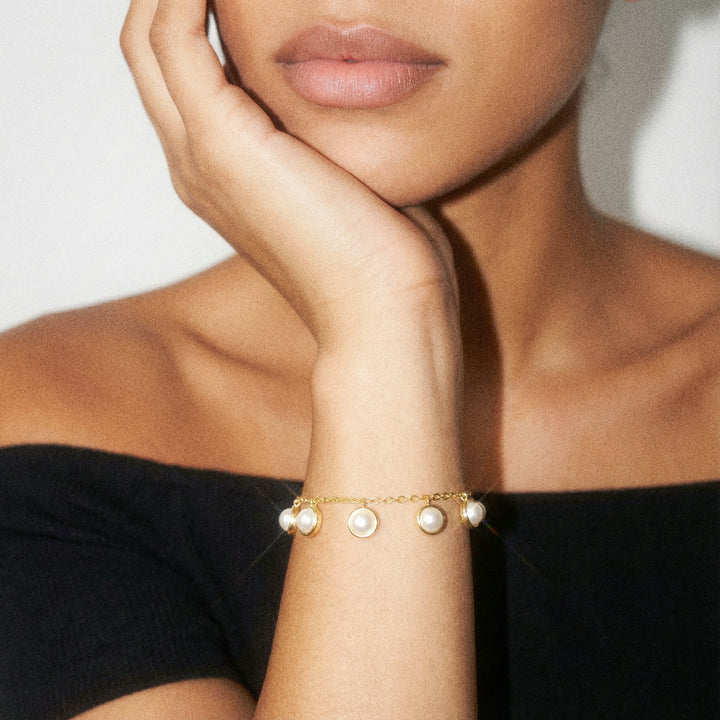



Imagine a single pearl element that transforms into a pendant, brooch or bracelet, allowing one piece to complement any outfit with minimal fuss. How do convertible design features, secure conversion mechanisms and considered material choices work together to create several distinct looks?
This post explains how to recognise practical convertible details, assess the security of fastenings, choose pieces with durable craftsmanship, and style a single pearl piece for work, events and casual days. The practical guidance that follows will help you adapt pieces with confidence, preserve your pearls and maximise their versatility.

How to recognise convertible design features in jewellery
Begin by inspecting attachment points and fastenings for removable jump rings, spring-ring or toggle clasps, and screw or clip fittings, then test them gently to confirm they open and close smoothly without wobble. Soldered links or neatly finished hinge pins suggest high-quality construction that may better support repeated use, while open rings or rough seams can indicate ad hoc alterations more likely to fail under tension. Identify modular elements such as detachable pendants, clip-on jackets, convertible earring backs, or slide-on bails, and practise removing and refitting them once or twice to learn the required motion and spot any alignment issues.
Look for reversible or dual-faced settings where the pearl sits in a bezel that rotates, flips or slides to an alternate face. Check for a discreet hinge, a flush catch and matching bezels on both sides to ensure a clean pivot and even seating. Examine chain and length conversion features for hidden loops, removable segments or an adjustable slider, and try different configurations to judge how weight and balance change and whether the pearl hangs straight or twists when worn. Mechanisms with visible solder joints, tight tolerances and metal-to-metal contact usually distribute stress more evenly than plated finishes on softer base metals, which can show wear sooner at points of repeated motion. Inspect hinges, joints and links for looseness or early loss of plating, noting that constructions whose moving parts share load across more than one link reduce stress on any single point and slow the onset of wear.
Try a drop style to test hang and balance.

Safeguard the checkout experience to build customer trust and conversions
Convertible pearl jewellery typically relies on a handful of mechanisms: magnetic clasps, screw posts, slide bails, hinged clips and detachable chains. These secure the pearl through magnetic attraction, threaded engagement, frictional sliding, a mechanical hinge or a removable link. Common points of failure include shear at joints, worn threads, magnetic slippage, bent posts and incomplete seating. To reduce the risk of problems, ensure fittings sit squarely, listen or feel for a gentle click and confirm the join is flush before wearing. A simple check before wearing is to inspect the join, give a gentle tug to detect any movement and rotate the piece to ensure it operates smoothly and remains secure.
Pearls are naturally delicate. Their low hardness and fragile nacre make them vulnerable to abrasion and chemical damage, so avoid harsh contact, rough finishes and strong adhesives that could scratch or erode the surface. Where metal meets pearl, protect the contact point with soft pads or silk knots to distribute pressure and prevent rubbing. Inspect clasps, settings and other fittings regularly for signs of wear: frayed threads, loosened screws, play at joints, bent posts or scratched plating. Any change in fit or movement is a useful early indicator that attention is needed. When convenience compromises holding strength, reduce risk with secondary catches, threaded collars or retention pins, and favour a permanently fixed connection for higher-risk situations such as exercise or travel. If you notice permanent deformation, persistent looseness after adjustment, damaged threads or loss of nacre, seek professional repair, as these symptoms point to structural compromise rather than routine maintenance.
Wear secure huggie styles for reliable pearl protection.

Choose materials and craftsmanship that ensure enduring versatility
Choose pearls by surface and nacre quality, favouring sharp, well defined reflections over a chalky glow, consistent colour along the strand, and minimal pits or blemishes. Pearls with thick nacre and tight overtones resist wear and retain lustre after repeated handling and rethreading. Inspect the drilling, knots and settings: holes should be centred, knots sit snugly against each bead, and peg or cup mounts should cradle pearls without visible gaps to reduce abrasion and make repairs simpler.
Prioritise convertible fastening details such as removable bails, discreet jump-ring anchors or slide-in clasps. When assessing a piece, ask to see the mechanism operate and handle it gently to confirm smooth action and a secure lock. Opt for solid metal findings or properly soldered links rather than glued or thinly plated components, and check for reinforced jump rings and double-clasp security where the piece will be handled frequently. Choose designs with standardised fittings, accessible solder points or removable elements so a jeweller can alter length, add attachments or replace components without complex work. Finally, request clear measurements, spare parts and visible construction details to make later conversions straightforward and to prolong the piece's usable life.
Stacks confidently with secure, everyday-friendly fittings

How to style your pearl jewellery for every occasion
Start with clear, repeatable conversions for an effortless update: loop a long strand twice and tuck the clasp to form a layered choker; fold a strand into thirds and secure it with a connector to create a lariat; or detach a section and refasten it as a bracelet. Quantify outcomes so readers can reproduce them; for example, two loops will reduce the drop to roughly half its original length. Each converted silhouette works differently with necklines and outfits: a single long strand over a V-neck visually lengthens the torso, a double wrap choker balances high necklines, and a pinned pearl focal point lifts lapels.
Give pearls a modern edge by mixing materials and playing with scale. Pair them with a fine chain or a narrow leather strap, use small pearls for subtle layering and larger pearls for a more striking statement, and select warm or cool metal findings to flatter your skin tone and outfit colour. Before wearing, ensure clasps and crimps are secure; consider adding a small safety catch to bracelets and measure wrist or neck circumference with an allowance of 1 to 2 centimetres for comfortable movement. When shortening pieces, count wraps or links so the final length sits as intended during activity. Inspect threads and connectors regularly, as oils and chemicals can gradually affect nacre and fastening materials. Store detachable components separately to prevent abrasion, clean pearls with a soft damp cloth and a little mild soap after wear, and avoid direct contact with cosmetics and perfume, which can dull the surface.
Use a fine 4mm strand for delicate layering.

Protect and care for your convertible pearl piece
Wipe pearls and metal fittings with a soft, slightly damp cloth after each wear. For deeper cleaning, use a mild pH-neutral soap and avoid soaking; rinse gently and dry carefully, as pearls are organic and porous and can be damaged by acids, alkalis, ultrasonic cleaners and harsh solvents. Store the convertible piece flat and separately from other jewellery in a soft pouch or lined compartment to prevent abrasion, and avoid airtight boxes with desiccants, which can over-dry the nacre. Keep items in a stable, moderate humidity to preserve lustre and the flexibility of the thread.
Inspect clasps, jump rings, screws and hinges regularly for signs of wear or loosening. Photograph or note the orientation of any removable parts before taking them apart so reassembly is straightforward. Handle detachable elements with care, and leave tightening or replacement of small fittings to a trained technician to avoid bending or stressing components. Check knots and thread for fraying or stretch, and when restringing ask a specialist to knot between each pearl to prevent abrasion and loss should the strand break. Make jewellery the last thing you put on and the first you take off, and keep it away from perfume, cosmetics, hair products and household cleaners. Avoid wearing it during vigorous activity or swimming to protect the nacre and mountings.
Convertible pearl pieces allow a single item to be worn as a pendant, brooch, bracelet or part of a layered strand through modular attachments, secure fastenings and carefully considered materials. Check attachment points, test mechanisms and favour pearls with thick nacre, centred drills and robust metal findings to preserve both function and appearance and to identify where reinforcement may be advisable.
When caring for convertible jewellery, follow a simple set of checks: identify any convertible features, prioritise secure fastenings, opt for pieces made with durable craftsmanship, style with intention, and keep up regular maintenance so components remain reliable. Test fittings before each wear, store detachable elements separately in a soft pouch, and consult a jeweller for tightening or repairs to preserve adaptability and longevity.