


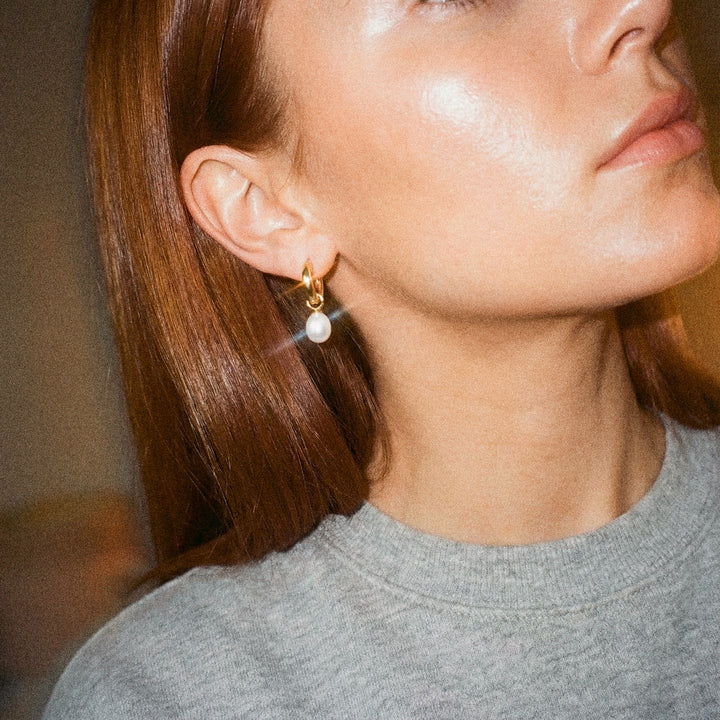
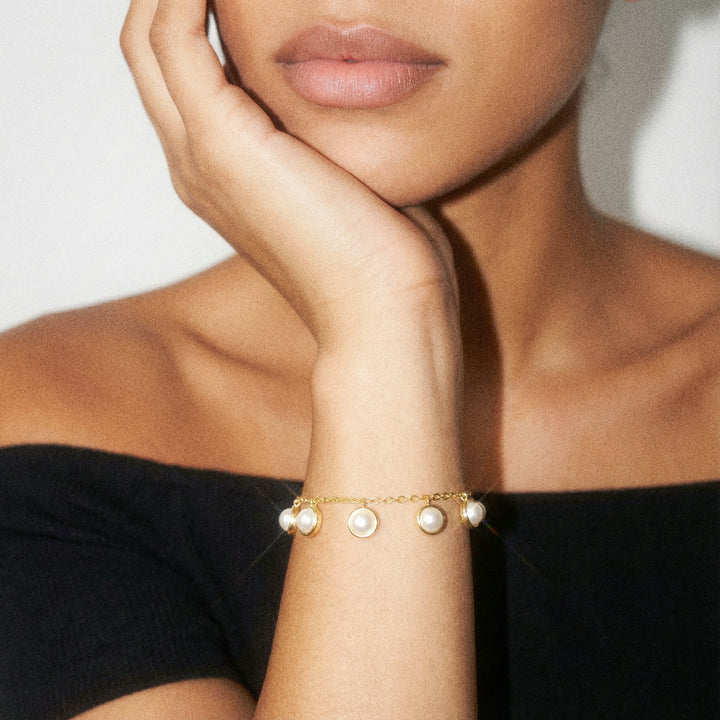



Choosing studs, short-drop or articulated earrings can feel like guesswork, especially when photographs obscure scale, movement and how a piece sits on your face. This guide uses simple face mapping and straightforward rules on movement, silhouette and proportion to make selecting earrings a considered and confident choice rather than a gamble.
You will be guided through measuring an earring's length and width, choosing between studs, short drop or articulated designs, and selecting silhouettes that balance your facial features. Clear advice on scale, hairstyles, comfort and care leads to practical steps for choosing earrings that harmonise with your face and everyday life.

How to map your face shape and essential measurements
Begin with a simple measuring routine. Using a soft tape measure or a ruler, a mirror and a frontal photograph, record: face length from hairline to chin; forehead width at the temples; cheekbone width at the widest point; jawline width between the jaw angles; and lobe length. Work out basic proportions and note which dimension is most prominent. If cheekbones are the widest feature, you are likely to have a round, heart or diamond silhouette; equal length and width usually indicates a round shape; a markedly longer length suggests an oval or oblong profile. Turning these measurements into a simple sketch or overlay makes comparisons easier and reveals which earring profiles will best balance your features.
To assess your face and earlobe proportions, create a front-facing overlay by tracing a photograph to mark the hairline, cheekbones, jawline and chin point. Compare that silhouette with common shapes such as oval, round, square, heart, oblong and diamond to identify which features dominate. Measure ears and lobes separately, noting lobe length, width, attachment type and the ear’s vertical position relative to the cheekbone, since short lobes often suit compact or lightweight drops while long or heavy pieces can overwhelm. Test potential earring lengths by pinning ribbons or safety pins and photographing head-on and at three-quarter angles to see how neck length, shoulder slope and hairstyle alter perceived length. Record any facial asymmetry and the hairstyles you wear most often, and note which looks reveal each side of your face so you can choose studs, short drops or articulated designs that work with how you actually wear your hair.
Select small pearl studs to flatter shorter lobes.

Selecting earring movement: studs, short drops or articulated styles
Movement alters perceived visual weight. Studs draw the eye to the earlobe; short drops introduce a vertical line that can lengthen or balance round and short faces; articulated pieces create fluid lines that soften angular features. Try a simple at-home photo test by tying your hair back and taking a photograph to see where the eye rests and which elements dominate your silhouette. Treat rules of thumb for face shapes as helpful guidance rather than hard rules: choose studs to emphasise cheekbones, since they catch light close to the lobe; select short drops to add verticality on round profiles, as they lengthen the perceived face; and favour articulated styles to break up a strong jawline, because linked movement draws attention away from angles.
Check fit and comfort by observing earlobe tilt and ensuring articulated links move freely without catching hair. Make sure the piece does not swing far enough to meet the chin. Respect scale by comparing drop length with the distance from earlobe to chin and with cheekbone width, since excessive movement can overwhelm narrow faces while pieces that are too short may be lost on longer faces. Consider hair, necklines and activity when choosing movement: reserve studs for high collars or busy prints, choose short drops for updos or bare necks, and favour articulated styles for loose hair or dim settings where catching the light adds interest. Test each combination in a mirror or with a quick photograph to see how it reads in context.
Try classic pearl studs to highlight cheekbones.

How to choose earring silhouettes for your face shape
Begin by tracing your face in a mirror to identify whether your shape is oval, round, square, heart or long, and note where your earlobe sits in relation to your cheekbone and jawline so you can see how different silhouettes interact with your proportions. For round faces, favour pieces that create vertical elongation: studs that sit slightly higher on the lobe, short drops that fall just below the cheekbone, or articulated pendants that form a gentle downward line. Avoid wide circular clusters that finish at the face's widest point. For square or angular faces, choose rounded studs, teardrops or articulated designs with soft movement to soften the jawline. Opt for lengths that finish at or below the jaw to help balance perceived width.
Heart-shaped faces benefit from pieces that add visual weight nearer the chin, such as drop earrings or styles with articulated lower elements to balance a wider forehead. Long faces gain apparent width from horizontal emphasis, so favour studs, short drops or articulated hoops that sit at the cheekbone. Match earring width to your face size and choose lightweight constructions for delicate lobes; reserve studs for more active days to maintain comfort. Use articulation to catch the light and guide the eye without overwhelming features, and test scale and movement against your own facial proportions to see what complements you best.
Try elevated pearl studs for subtle vertical elongation.

Balance size and proportion to flatter your natural features
Vertical lines and movement lend the illusion of length, while horizontal width and volume create the impression of breadth. A small stud sits close to the face, a short drop elongates subtly, and an articulated earring introduces motion that can soften angular features. Try a simple at-home check: measure from the base of your nose to the tip of your chin, then note whether an earring sits within that space or extends beyond it to judge whether it will shorten or lengthen the appearance. If you wish to elongate a round face, favour pieces that extend past the lower-face plane; to visually shorten a long face, choose earrings that remain largely within the lower-face space. These principles help you predict how a design will alter perceived proportions.
Match the scale of your earrings to your dominant facial features and the size of your earlobes. Wider cheekbones or a strong jaw will carry broader or longer styles, while smaller, more delicate features often suit studs or short drops. When trying pieces on, take straight-on and three-quarter photographs from arm's length with your hair pinned back, and compare how each earring alters the line from cheekbone to jaw. Turn your head slowly to see whether an articulated design draws attention to or away from a particular feature. Consider comfort and longevity: heavier styles can stretch earlobes and affect balance over time, whereas lighter constructions help preserve shape. Small adjustments, such as a thicker chain link, a larger stud base or a different backing, will also change how an earring sits against the face.
Opt for button pearls to subtly shorten the face

Balancing hair, comfort and maintenance when choosing jewellery
Tuck your hair behind the ear, try an updo and let it fall loose, photographing each look to compare how studs, short drops and articulated designs sit against the face and move with your head. Allow an earring to hang from its post to judge pull and swing, since heavier drops can visually lengthen a round face while light studs help preserve facial width. Lightly run a finger through your hair and tilt your head to check for snagging or concealment, and favour low-profile studs or shorter drops when you need prolonged comfort or reduced tugging.
Ensure the post extends enough to clear the earlobe so the backs sit flush. Gently tug the back to check retention, and match post thickness to your piercing to avoid excess movement or pressure. For active days or sensitive piercings, consider locking or screw-style closures. Inspect articulated links and soldered joins for signs of loosening to prevent breakage near the piercing. Choose materials that minimise skin reactions, and clean jewellery after exposure to sweat, lotions or saltwater using a mild soap and water or a soft cloth, then dry thoroughly. Store studs flat in a padded compartment and hang articulated pieces separately to preserve movement and prevent tangles. Repair or retire items with bent posts, worn backs or loose joints to protect your piercings.
This guide turns earring selection from guesswork into a simple, repeatable method. Use face mapping, clear measurements and straightforward rules about movement, silhouette and proportion. Test studs, short-drop styles and articulated pieces against your face map, and photograph how they sit with different hairstyles and from varied angles. Those comparisons will reveal how each design balances your features and performs for everyday wear.
Consult the sections on measuring, movement, silhouette, scale and care to compare options objectively and avoid surprises. Measure and photograph, then select pieces that harmonise with your principal features, comfort needs and everyday routines so your earrings enhance rather than overwhelm.