




A single pearl pendant imparts effortless sophistication, yet achieving a harmonious look when layering with other jewellery often depends on subtle considerations. Careful attention to metal finishes, scale, and proportion distinguishes a thoughtfully curated ensemble from one that appears uncoordinated.
This guide explores how to select a signature pearl, discerning its type and quality, curating harmonious pairings, and considering the interplay of metal, scale, and proportion. Thoughtful styling and care allow each combination to appear intentional and maintain its allure over time.
Discover How to Find Your Signature Pearl Pendant
Consider the shape and type of pearls to influence the overall impression: round pearls offer a timeless and harmonious appearance, while near-round or drop shapes lend themselves to understated versatility for everyday wear. Baroque pearls, with their organic contours, add a sense of individuality and depth as they catch the light in unique ways. When selecting size and proportion, reflect on what complements your features and personal style: pearls around 6 to 8 mm exude subtle elegance, those in the 9 to 11 mm range create a refined focal point, and pieces over 12 mm deliver true statement allure. Viewing the pendant at your preferred length and alongside typical necklines can help ensure a balanced look. To achieve a harmonious finish, consider the interplay of metal and colour temperature with both the pearl and your skin tone—cooler pearls pair beautifully with silver or white metals, while warmer overtones are well suited to yellow or rose hues. For added versatility, elements such as a removable bail or a simple loop allow you to vary chains and adjust length to suit different ensembles.
Consider both the setting and bail design, as these elements influence not only the appearance but also the enduring quality of your jewellery. Closed cups offer gentle protection for the pearl's nacre, while open settings enhance its natural lustre. A thoughtfully placed bail ensures the pendant rests gracefully at the centre of the chain. For those who enjoy layering necklaces, low-profile settings provide a refined silhouette, while more secure fittings are ideal for an active lifestyle to ensure your piece remains a cherished part of your everyday ensemble. Selecting finishes and shapes that gracefully conceal light signs of wear and are easy to care for will help your jewellery retain its organised, polished look with effortless ease.
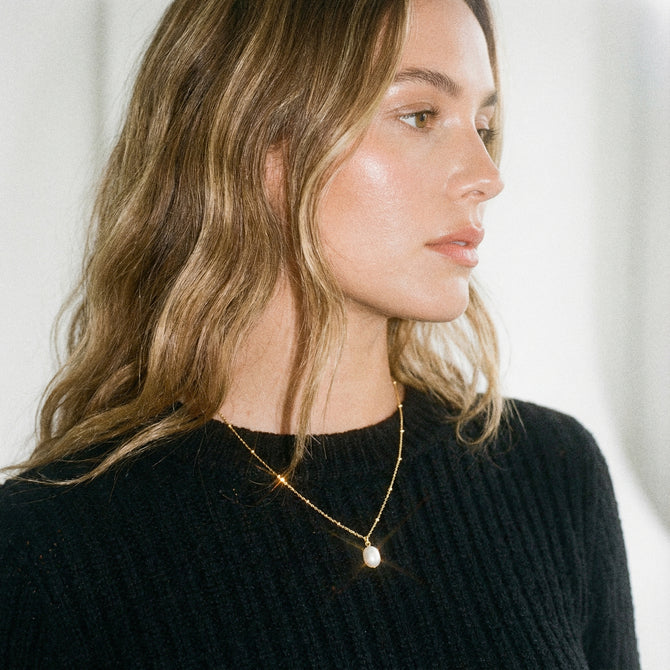
Choose a warm-toned pendant for effortless layering.
A Guide to Understanding Pearl Varieties and Quality
When selecting pearls, consider whether you are drawn to uniform perfection or prefer pieces with distinctive character. Saltwater pearls are known for their radiant lustre and robust nacre, while freshwater pearls enchant with their variety of shapes and unique baroque forms—ideal for crafting an expressive pendant. To evaluate lustre and nacre quality, observe the pearls under natural light, tilting them gently to appreciate the clarity and depth of their reflections. A crisp, mirror-like shine and a sense of depth often indicate a thicker nacre and enduring beauty, whereas muted or hazy reflections may suggest surface treatments. Examine the surface, drill holes, and overall shape using a magnifier or detailed photographs to identify subtle features such as natural growth lines or small blemishes; these details can affirm authenticity, as perfectly flawless pearls may have undergone treatments. For a harmonious look, compare pearls side by side in consistent lighting and select metal tones and settings that enhance each pearl’s overtone, ensuring your pendant and accompanying jewellery come together as a thoughtfully curated set.
When considering pearls, enquire about any treatments such as bleaching, dyeing or coating, and request supporting gemmological reports. Examine the pearls for their natural concentric growth patterns under magnification, as opposed to painted or glazed finishes. Subtle inconsistencies in growth lines are often a sign of authenticity, while perfectly uniform appearance or irregular drill holes may warrant further investigation by an independent laboratory. To create a harmonious ensemble, allow the pearl's base colour and overtone to inform your selection of accompanying metals and jewellery, ensuring a refined and cohesive look that highlights the pearl's unique character.
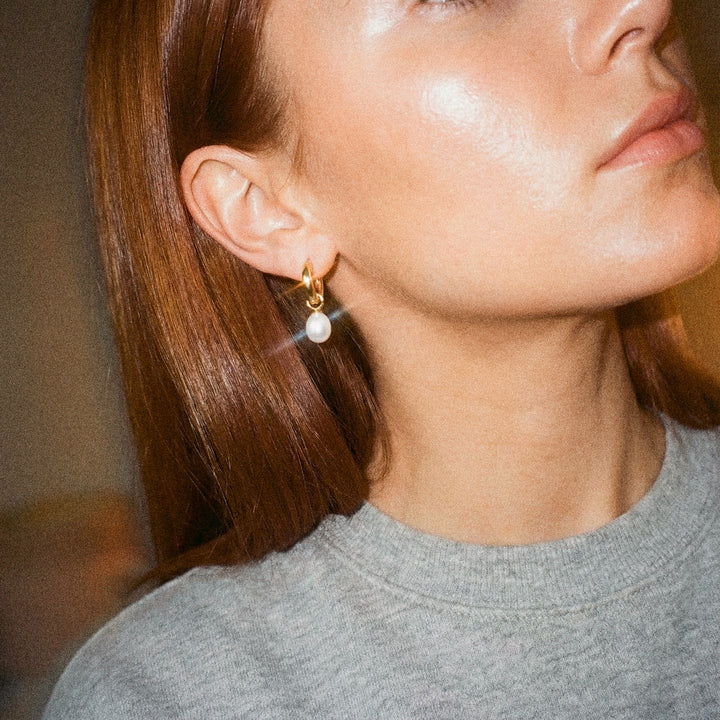
Try sculptural freshwater pearls to highlight unique character.

How to Curate an Elegant Ensemble Around Your Pendant
Begin by ensuring a harmonious finish across the chain, settings, and fastenings, allowing the pearl to remain the focal point rather than appearing as disparate elements. When selecting earrings or a bracelet, consider the proportions: echo the pearl's size for a cohesive effect or introduce a thoughtful contrast with larger drops and a more substantial chain to achieve a contemporary balance. For necklaces, match the length to the neckline, positioning the pendant as the centrepiece—opt for shorter styles with higher necklines and longer lengths to complement deeper cuts.
Layer necklaces thoughtfully by varying chain thickness and length, limiting the selection to two or three pieces, and ensuring metal tones remain consistent, allowing the pearl to stand as the focal point. Introduce complementary textures or stones with discernment; subtle touches such as delicate diamonds, coloured gemstones, or brushed metal accents can offer gentle contrast and refined luminosity without detracting from the pearl's natural beauty. Harmonise colour temperatures and favour shapes that honour the pearl’s organic form. Collectively, these considered choices create an ensemble of deliberate elegance, whether expressing understated classicism or a more contemporary flourish.
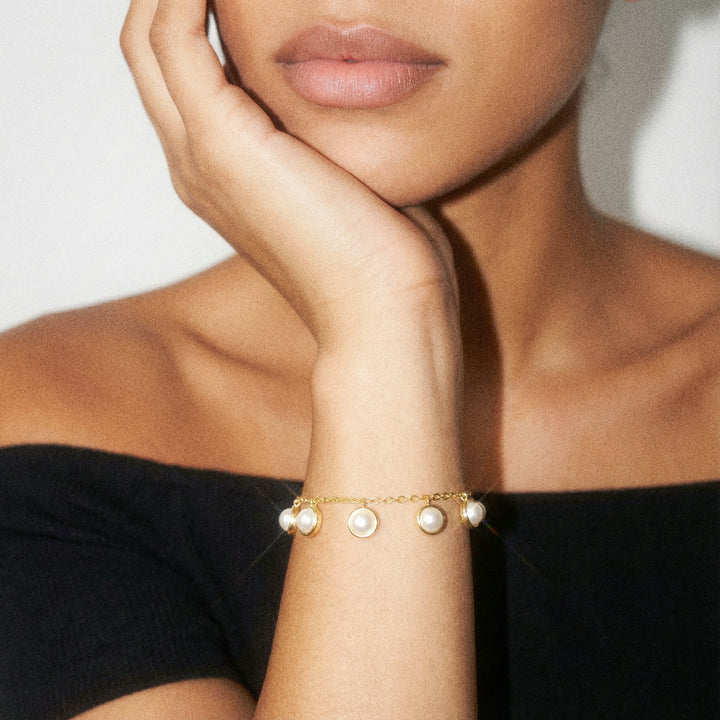
Add a warm grey-pearl pendant for layered elegance.

How to Harmonise Metal, Scale, and Proportion for Effortless Elegance
Achieving a harmonious jewellery ensemble begins with thoughtful coordination of metal, finish, scale, and proportion. Select complementary metals for pendants, chains, and visible components, or establish a primary metal and echo a secondary tone in subtle accents to create cohesion. Allow the pearl's overtone to inform your metal choice: cream or rose hues beautifully complement warmer metals, while white or grey overtones are enhanced by cooler tones. When selecting earrings, rings, or bracelets, choose pieces with gemstones or features that reflect the proportions of your pendant pearl for a sense of unity. To balance visual weight, pair a substantial chain or larger links with a statement pendant, and opt for a finer chain with a smaller pearl, ensuring each element feels elegantly in proportion.
Consider both functional fit and visual harmony before choosing your necklace and pendant combination. Ensure the chain glides smoothly through the pendant bail, selecting a gauge that offers gentle support so the pendant rests gracefully without sagging or tilting. Test how each piece moves and sits when worn to appreciate the overall balance and wearability. For a layered look, stagger necklace lengths and allow a few centimetres between pendants, giving each design the space to shine while preventing tangles. Reflect a unifying motif—such as echoing a round stud to complement a pearl, mirroring milgrain detailing, or maintaining a consistent polished or matte finish. Subtle, intentional touches like these transform an ensemble into a thoughtfully curated set, rather than a casual assortment of pieces.
Layer a delicate gold-plated pearl for cohesive, balanced styling.

Embrace Timeless Style and Lasting Jewellery Care
Begin by selecting a single metal family or two harmonious finishes, ensuring the chain gauge complements both the pendant bail and the size of the pearl so each piece sits and moves in graceful unison. Pair the pendant with one or two subtle companions, such as petite studs, a slender ring, or an understated bracelet. Keep these supporting pieces within the same metal palette or motif to create an effortlessly cohesive set. Echo a refined design detail throughout, such as a petite metal bead, a coordinating pearl, or a unifying motif, so the collection feels thoughtfully curated while allowing variation in scale and purpose.
Curate an elegant layered look by selecting chains with varied textures and carefully staggered lengths, allowing the pendant to remain the centrepiece while the surrounding pieces create subtle depth. Consider introducing a single contrasting finish—such as a matte metal beside the lustre of the pearl—to highlight the natural beauty of the focal pearl without overwhelming the arrangement. Regularly inspect the pendant’s bail, jump ring, and clasp for signs of wear, and select a chain gauge that offers suitable support for the pendant, maintaining both comfort and style. After each wear, gently polish pearls with a soft cloth to remove traces of cosmetics or oils, and arrange for timely attention to any fraying cords or loose settings to preserve the longevity and elegance of each piece.
A single pearl pendant exudes refined simplicity when complemented by thoughtfully selected metals, harmonious proportions, and companion pieces that reflect the pearl's natural character. Choosing pearls under natural light and considering attributes such as nacre, drill quality, and a well-matched bail ensures each element works in harmony. Pairing your pendant with a chain of suitable gauge and length not only enhances its aesthetic appeal but also preserves its timeless elegance for years to come.
Follow the guide's steps: from selecting a signature pendant and recognising hallmarks of quality, to curating complementary pieces and ensuring an impeccable fit. Each considered choice brings together a harmonious collection, thoughtfully assembled to elevate your ensemble with effortless sophistication every time it is worn.