




Do your necklaces sit awkwardly or fail to flatter your collar bones? Choosing the right length and shape brings balance, emphasises the collar bones and keeps the overall look refined and uncluttered.
This guide shows where each necklace length sits, explains how different necklines can frame the collarbones, helps match lengths to body shape, suggests suitable pearl shapes, and covers layering and care. Follow these practical, visually guided steps to balance your proportions, frame your neckline and enjoy wearing your jewellery more often.

Visualise how popular necklace lengths gracefully drape on the neckline
Standard necklace lengths provide a useful starting point. A choker, from 35 to 41 cm, sits at or above the collarbones; a princess, around 46 cm, generally rests on the collarbones; a matinee, 50 to 61 cm, falls between the collarbones and the bust; an opera, 71 to 91 cm, reaches the bust or below; and a rope, over 91 cm, drapes well below the bust. Use these ranges as a guide rather than strict rules and explore small variations to suit your proportions. To measure, hold a piece of string or an existing chain at your throat, mark where it meets your collarbones and where it reaches the bust, then measure that length with a tape. Photograph the string from the front and the side to see how a given length sits with different necklines and posture.
A necklace that sits on the collarbone creates a horizontal focal line, drawing attention to the shoulders and upper chest. Longer lengths form vertical lines that visually lengthen the torso, so decide whether you wish to emphasise the collarbones or elongate the silhouette before choosing a length. To highlight the collarbones, select a single short piece of around 35 to 46 centimetres. Position pendants so their base rests at the collarbone intersection. When layering, use an odd number of necklaces, vary each length by at least 5 centimetres and mix chain thicknesses so the collarbone-focused piece remains visible. Adapt your choices to individual proportions: if you have a shorter neck, opt for a slightly longer princess or matinee length to avoid crowding; if your neck is long, consider chokers or shorter princess lengths. To balance broader shoulders, favour lower pieces. Always test your combinations in natural light with the outfit to confirm the intended effect.
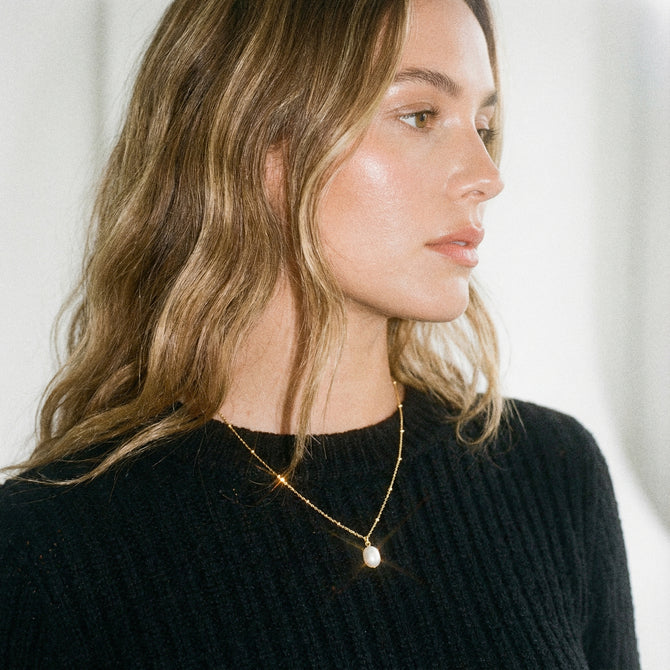
Choose a delicate 46 centimetre pearl for layering

Frame the collarbone with necklaces that flatter your neckline
A quick guide to necklace lengths, with centimetre ranges and notes on how they sit, makes it easier to choose pieces that fall where you want them on the collarbone and torso. A choker, typically 30 to 36 centimetres, sits at or above the collarbone and draws the eye there; a princess length, around 40 to 46 centimetres, usually rests on the collarbone; and a matinee, about 50 to 60 centimetres, falls below it and helps to lengthen the torso. Use these landmarks to pair necklaces with necklines such as boat, scoop, V, square, off-shoulder and roll-neck, selecting lengths that either sit on the bone or create a vertical line to flatter the cut.
Try this simple test in front of a mirror. Mark proposed lengths with a piece of string while wearing the outfit, photograph both front and profile, and move your head and arms to see which length centres on the collarbone and which creates a lengthening effect. When layering, aim for three distinct lengths spaced 5 to 7 centimetres apart so each layer reads on its own. Begin with a collar or choker at the bone, add a mid-length that sits on the collarbone, and finish with a longer pendant to balance the torso while keeping the collarbone visible. Choose smaller central pendants and slimmer chains to keep the collarbone line crisp, and reserve wider chains or bib styles when you want horizontal emphasis. Adapt lengths to body proportion: longer pendants can lengthen a shorter neck, short collars flatter a longer neck, and pieces that sit on the collarbone can help balance broader shoulders.
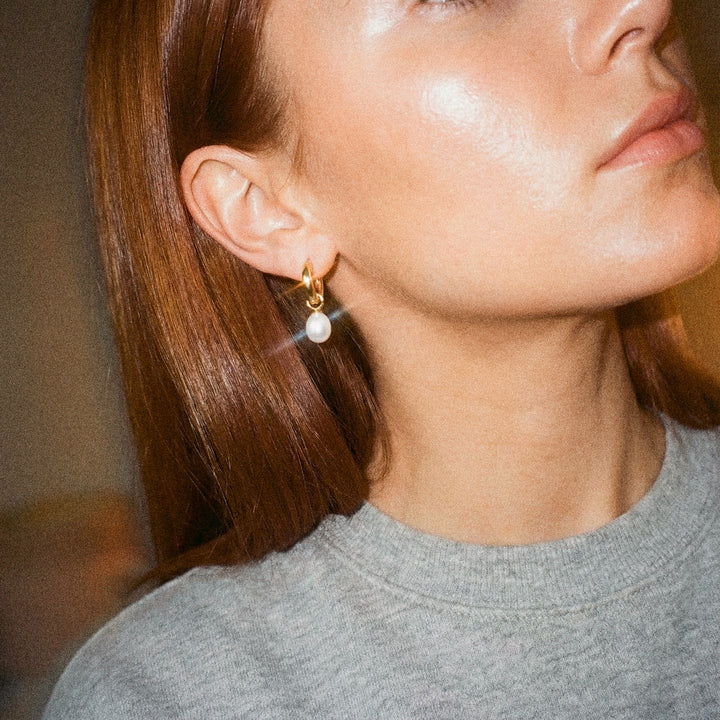
Choose a slim pearl strand at princess length.

Match necklace length to balance your proportions and complement your neckline
A simple length map shows where common necklaces fall and how they alter perceived proportions: a choker sits above the collarbone, a short chain rests on the collarbone and longer chains fall below, which can either emphasise the collarbones or lengthen the torso. Use a soft tape measure or a piece of string and a mirror to mark where different lengths sit on your neck and chest, then compare those marks with your collarbone and natural waistline to judge how a length balances shoulder width, neck length and torso height. Match necklace length to the garment's neckline by wearing pieces outside a crew or boat neck to avoid competing with the fabric, tucking a short pendant into a V-neck to extend the vertical line, and choosing a choker or short chain with off-shoulder or strapless tops to frame the collarbones.
When layering necklaces, begin with the shortest piece at or just above the collarbone and space each subsequent layer by a couple of centimetres so every chain reads separately. This measured negative space draws the eye to the collarbones and maintains an elegant silhouette. Choose chain scale and pendant weight to suit your proportions: finer chains and smaller pendants will emphasise a delicate neck and collarbones, while larger or longer pieces shift the focal point lower, flattering broader shoulders or a shorter neck. Bear in mind that chain thickness and pendant size change drape and apparent length, so try combinations in a mirror to see how they alter balance and silhouette. These simple rules help you highlight the collarbones or redistribute visual weight along the torso, offering practical guidance rather than guesswork.
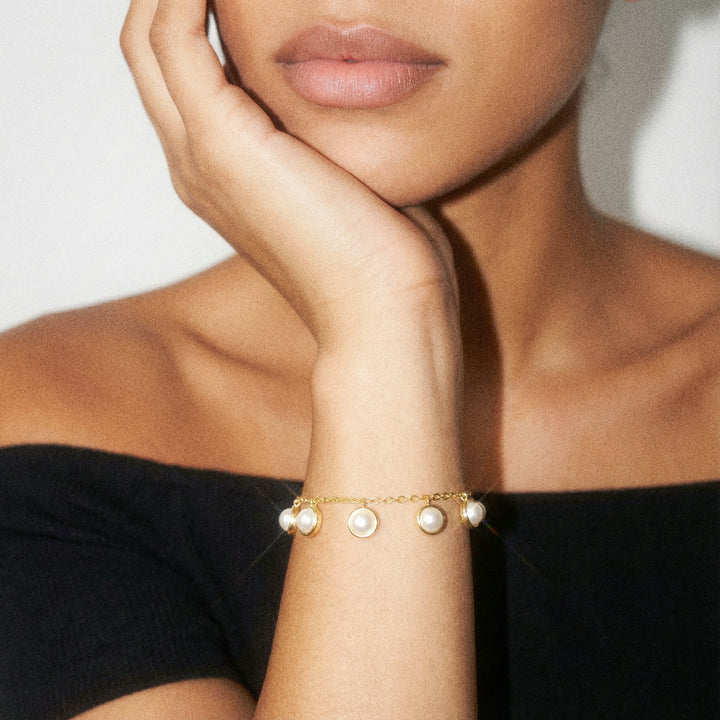
Adds delicate pearls that layer to highlight collarbones

How to Choose Pearl Shapes to Flatter Your Neckline
Common necklace lengths in centimetres and how they sit: 35 to 40 cm chokers rest at the base of the throat and can visually shorten the neck; a 45 cm princess strand falls just below the collarbones and gently frames them; 50 to 60 cm matinee pieces lie on the upper chest and help to lengthen the torso; opera lengths of around 70 to 90 cm and ropes over 90 cm draw the eye downward, broadening or elongating the silhouette. Match pearl shape to the neckline architecture: round or near-round pearls create pleasing symmetry on crew and square necklines; button or coin pearls sit flat against higher necklines; drop or pear-shaped pearls extend the visual line on V and plunging necklines to fill or lengthen the space. Use these pairings to select a length and shape that shortens or lengthens the neck, narrows or broadens the upper torso, or directly frames the collarbones.
Match the scale of pearls to your bone structure and the prominence of your collarbones. Choose smaller diameters and finer strands for a delicate frame, medium sizes for average proportions, and larger pearls or thicker strands for broader frames so the jewellery feels balanced. Use layering to highlight the collarbones: pair a short choker or collar-length strand with a longer pendant or opera-length piece, vary bead shapes and sizes to avoid visual crowding, and space strands so the shorter piece frames the collarbones while the longer one draws the eye downward. Consider surface and shape when assessing light and movement. High-lustre, smooth rounds reflect light and emphasise collarbone highlights, while baroque or irregular pearls scatter reflections to create a more organic focus. Always try combinations in natural light and with the outfit you plan to wear so you can judge how diameter, lustre, shape and strand thickness alter perceived proportion.
Layer a fine, luminous strand to frame collarbones.

Layer your jewellery thoughtfully and care for each piece
Map necklace positions to your body. Pieces that sit on or above the collarbones brighten and emphasise the bone; a mid-length chain that rests on the collarbone draws the eye to the décolletage, while longer chains extend the vertical line to balance broader shoulders or a shorter torso. When layering, leave a few centimetres between each strand so every layer reads clearly. Mix delicate and chunkier chains to create contrast, and alternate centred pendants with plain chains to avoid competing focal points. Test combinations in front of a mirror while moving to ensure each layer remains visible, and match scale to your proportions: favour finer, shorter pieces on smaller frames and longer or bolder pendants on larger frames, checking alignment against the collarbone and shoulder line for visual harmony.
To preserve the finish and longevity of your jewellery, remove pieces before swimming, exercising or applying cosmetics. After wearing, gently wipe metals and gemstones with a soft cloth to remove oils that accelerate tarnishing. For routine cleaning, use warm water with a mild soap and a soft brush to reach crevices; rinse and dry thoroughly to reduce tarnish and minimise the risk of skin reactions. Store necklaces hung or laid flat to prevent kinks, keep items separated or in individual pouches, and consider anti-tarnish cloths or pouches for silver to maintain their finish. Inspect clasps, jump rings and stringing regularly, and arrange professional repair for stretched links or loose settings to avoid loss or further damage.
Choose necklace lengths with intention to balance proportions, frame the collarbones and subtly lengthen or shorten the torso where desired. Use standard length landmarks and a simple length of string or a measuring tape, then experiment with gentle layering to observe how different styles sit against various necklines and silhouettes.
Consult length and layering guidelines, consider neckline pairing and advice on pearl shapes when experimenting with combinations, and photograph both front and profile views to confirm the intended effect. These simple checks and basic care routines help you make thoughtful choices that enhance wearability and subtly showcase the collarbones with quiet confidence.