




Have you ever purchased a necklace that twisted on its first wear, or earrings that jangle with every step? Even the subtlest movement can turn an item of jewellery into an irritation, affecting comfort, appearance and longevity.
Wear each piece as you would in everyday life, walking, turning and posing naturally, and take note of how it feels. Observe the fit, weight, clasp security and overall balance. Use simple checks for necklaces, earrings, bracelets and rings to assess comfort, any sound they make, stability and likely care requirements before you buy.

How movement influences the comfort and look of everyday jewellery
Walk at a natural pace, turning gently so you capture both front and profile views on video. Replay the footage to assess swing amplitude, note any contact with skin or clothing and observe any clasp movement. Repeat the recording while wearing different outfits and hair styles, for example a jumper, a low neckline, a scarf, hair tied up and hair loose. Make a note of where the piece rubs, catches fibres, slips beneath fabric or becomes obscured from view. Keep the camera steady and compare clips to identify which combinations cause the most contact or coverage.
Simulate everyday movements such as lifting a bag, using a phone, reaching overhead and sitting, noting any noise, snagging, rotation or restriction to identify which motions cause issues. While moving, gently tap and twist settings, links and clasps to detect wobble, prong movement or loose stones, and watch for changes in lustre or alignment that suggest insecure components. Wear the piece through a typical routine, then check the skin beneath for chafing, indentations or irritation and examine the jewellery for abrasion, persistent rotation or displaced elements. Record how often and how severe any problems are to assess likely maintenance needs and long-term comfort.
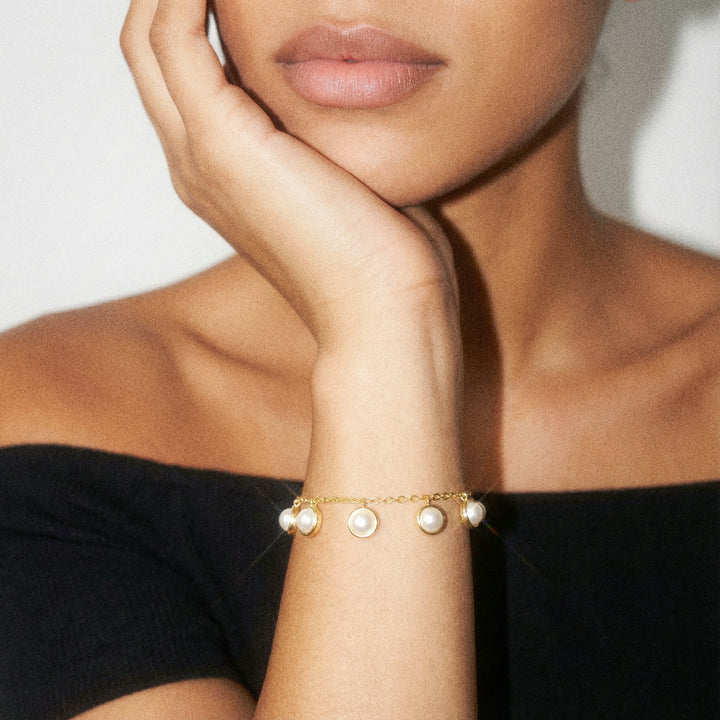
Choose a delicate pearl bracelet for comfortable, snag-free wear

Assess fit, weight, clasp and balance before trying on jewellery
Walk naturally for a few strides, then change direction and observe how the piece moves against your body and clothing. Note whether it slides, flips, catches or simply settles back to a neutral position. With rings, make a fist, then straighten your fingers and tilt the hand palm up and palm down. Watch for rotation, gaps at the knuckle, knocks against adjacent fingers or a persistent off-centre position, as these are signs of a poor fit or uneven weight distribution. For necklaces, bend forward, turn your head and shrug your shoulders. Check whether a pendant bounces, twists or rides up towards the throat, whether the clasp shifts along the chain, and whether the pendant hangs flat or leans to one side. Such behaviours point to pendulum or centre of mass issues.
When assessing bracelets and watches, simulate everyday actions such as gripping a rail, reaching for a shelf and typing to detect any pinching, rubbing, slippage or movement of the clasp. Observe whether charms or the watch face rotate away from the top of the wrist, as this can indicate poor balance or an insecure fastening. For earrings and their fastenings, turn your head, walk and tilt to each side while checking in a mirror to judge how much the piece swings, whether backs or hooks loosen, and if the weight pulls the lobe down. Also listen and look for any rattling or catching on clothing. These behaviours are practical indicators of comfort, security and overall quality in everyday wear.
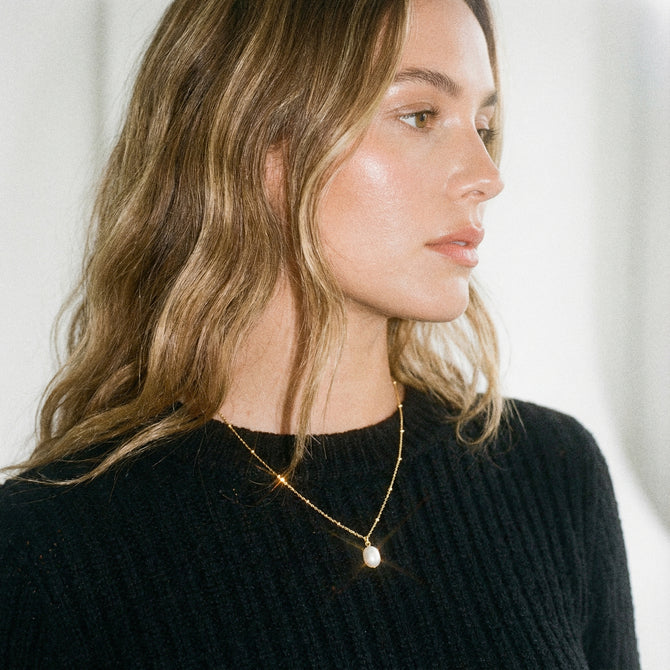
Select a low-bounce pearl pendant that hangs flat.

Test movement by walking, turning and posing naturally
Walk at your normal pace while observing your jewellery in a mirror or by recording a short video. Note how far pendants, chains or earring drops swing, whether stones flash from multiple angles, and if a piece rotates away from its intended face, which can indicate uneven weight distribution or an off-centre setting. Turn slowly through quarter turns to see how facets and metal catch the light. Brilliance that appears only from a narrow angle may mean the cut or setting restricts light return, while consistent sparkle from many angles suggests even light performance. These simple checks reveal the piece's behaviour in motion and help predict its real-world appearance.
Test how a piece behaves by moving as you naturally would: lean, tilt your head or reach for an item. Observe whether chains twist, clasps shift or rings migrate, and note any movements that cause the jewellery to catch on clothing, hair or skin, as these predict nuisance or accelerated wear. Try interactions with clothing to assess real-world performance. Gently guide necklaces beneath collars, draw scarves over pendants, sit and stand to mimic posture changes, and pass sleeves over bracelets to reveal snag risks or areas that tuck away and lose presence. Listen and feel for stability, noting any jingles, rubbing or loosening as you move. After activity, give fastenings a gentle tug to check settings remain secure. Record close-up video or use slow motion to reveal subtle play that the eye alone might miss.
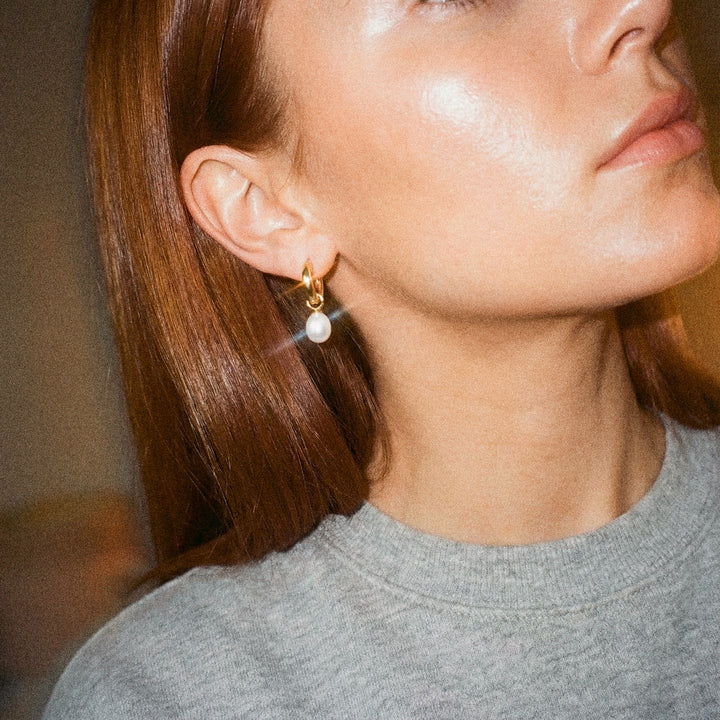
Try a delicate pearl pendant for stable, subtle sparkle.

See necklaces, earrings, bracelets and rings sway with every movement
Walk at a steady pace and make slow turns while filming necklaces from the front and the side. This movement helps reveal pendant flipping, twisted chains or off-centre hangs that can indicate balance or construction issues. Tilt and turn your head to study earrings, and give each a gentle shake so you can hear any rattling or clicking that might suggest loose stones or fittings. Notice how drops swing and whether posts sit true against the earlobe, as misalignment or uneven motion often signals a problem.
Begin with bracelets and bangles as you would any piece of jewellery. Recreate everyday wrist movements: raise your arms and mimic typing to assess how much a piece slides, whether it clinks, and if charms or edges catch on clothing or skin. For rings, observe stability while walking and turning, noting rotation, pressure points and any settings that snag fabric. Gently push a ring towards the fingertip to reveal a poor fit or uneven weight distribution. Inspect items under varied lighting and at close range to see how movement alters appearance, watching for changes in sparkle, stones that shift, kinks in chains, separating links and early signs of metal fatigue. Make a note of any noise, catching or shifting so you can compare pieces objectively before purchasing.
Test everyday movement with a delicate pearl bracelet.

Assess comfort, stability, adjustability, sound and care requirements
Stand naturally in front of a mirror, or record a short clip on your phone, and observe how necklaces, pendants, bracelets and drop earrings move against your body and clothing. Note any snagging on collars, scarves or bag straps. Hold the piece close to your ear as you turn and move; soft rattles, clicks or metal-on-metal contact often indicate loose settings or hollow construction. Watch how stones and metal catch the light while you walk to see whether movement hides sparkle, reveals inner settings or traps hair and debris. These simple checks will highlight areas that need routine cleaning and inspection.
Gently tilt and twist the relevant area to assess stability, observing whether clasps, posts and settings remain secure under everyday movement. Use only light fingertip pressure on any stone or joint to detect looseness without forcing the piece, as small elements can shift with regular wear. Test adjustable features and common outfit combinations by refastening chains at different links, sliding rings on and off with natural hand motions, and wearing the item over and under the layers you typically choose to check length and opening compatibility. Make a note of any places that catch hair or fabric and mark where extra care, more frequent checks or adjustments may be required.
Testing jewellery as you move, from walking and turning to posing, reveals real-world issues such as twisting, snagging, unwanted noise and uneven balance that can affect comfort and longevity. Record brief videos, experiment with different outfits and hairstyles, and check clasps, settings and weight to gather clear, comparable observations across pieces.
Return to the relevant headings for necklaces, earrings, bracelets and rings to check fit, movement, sound and adjustability with care. A pendant that flips, a clasp that rattles or a ring that rotates are clear signs to seek an adjustment, try a different style or arrange maintenance.