





Why do some pearls achieve a perfectly round form while others take on distinctive, sculptural shapes? Rather than viewing these irregularities as imperfections, each contour, shift in colour and subtle change in lustre offers a unique narrative, reflecting the mollusc's natural response and the layers of nacre accrued over time.
This article explores the natural formation of pearls within molluscs, offering guidance on recognising genuine pearls and discerning them from imitations. It highlights essential indicators of quality, shares care tips for pearls with unique characteristics, and presents elegant styling and storytelling ideas to celebrate their distinctive allure.
![{"image_loaded": true, "load_issue": null, "description": "The image shows a woman holding a hand mirror in which the lower part of her face and neck are reflected. She is wearing a double-strand pearl necklace and a matching pearl bracelet. The background is plain and dark blue. The woman is seen from behind, with her bare shoulders and dark hair visible.", "people": {"count": 1, "roles": ["individual viewer"], "visible_demographics": "Adult female, medium skin tone, dark hair pulled back", "attire": "No c](https://cdn.shopify.com/s/files/1/0371/8817/3961/files/image_loaded_true_load_issue_null_description_the_image_shows_a_woman_holding_a_hand_mirror_in_which_the_lower_part_of_her_face_and_neck_are_reflected_she_is_wearing_a_double_strand_p.webp?v=1768631341)
The Fascinating Journey of Pearl Formation Within a Mollusc
Pearls are formed within a mollusc when layers of aragonite and organic conchiolin gradually envelop a tiny irritant, creating the lustrous, iridescent effect admired in fine jewellery. Freshwater pearls often develop entirely from nacre, resulting from mantle tissue grafts, while many saltwater pearls begin with a bead nucleus and are encased by layers of nacre. These distinct origins influence each pearl’s translucency, structure, and the unique patterns revealed under magnification. Understanding the species of mollusc and the surrounding water conditions provides valuable insight into the natural variations in colour, shape, and surface found in each pearl, highlighting the individuality and beauty inherent in these gems.
When appreciating pearls, subtle details reveal much about their unique formation. Under magnification, growth rings, the natural platelet structure, and delicate surface features such as minor pits can offer insight into the pearl’s story. Baroque shapes may hint at variations in their nurturing environment, while concentric rings and gentle irregularities speak to natural, organic growth. Expert verification through X-ray or laboratory assessment can help clarify the type of nucleus and the depth of nacre, both of which contribute to a pearl’s beauty and longevity. When caring for and displaying pearls, choose settings that protect their delicate surfaces yet allow their character and lustre to shine. Opt for those with generous nacre, as this quality enhances both their durability and their timeless appeal.
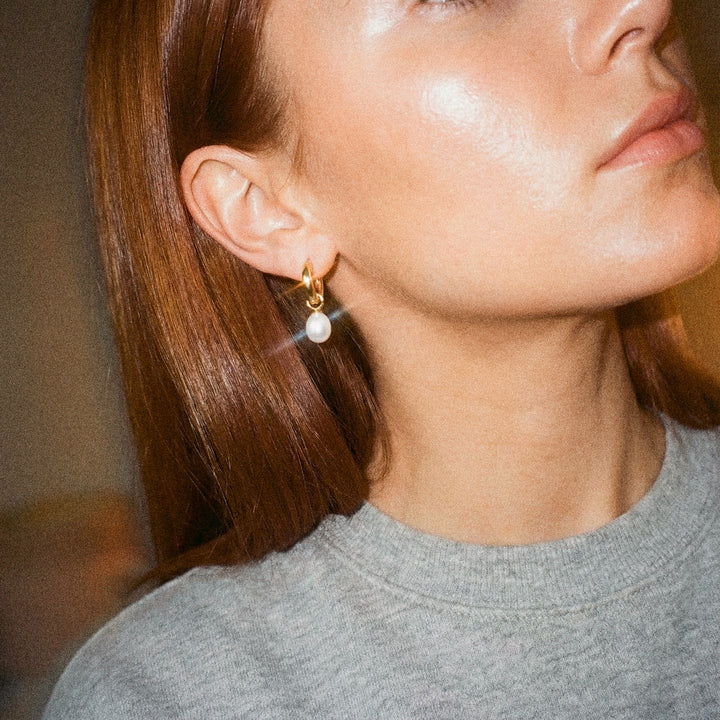
Let sculptural hoops showcase and protect freshwater pearl lustre.

Image by RDNE Stock project on Pexels
What Influences the Unique Shapes of Pearls?
Within a mollusc, a displaced piece of mantle tissue or a natural irritant prompts the creature to coat the intruder with successive layers of nacre, sometimes resulting in delicate variations as the animal seeks to protect itself. When examined under magnification, true pearls reveal concentric layering, shifts in nacre thickness, or a dense, lustrous core on X-ray—hallmarks of organic formation rather than artificial shaping. The cultivated process also imparts distinct characteristics: bead nucleation leaves a subtle internal outline on X-ray and often creates a consistent, rounded silhouette, whereas tissue-only methods produce pearls that are entirely nacreous, with irregular shapes known as keshi or baroque. By comparing these microscopic growth patterns and imaging, it becomes possible to discern genuine natural artistry from human intervention.
Environmental and biological changes, such as shifts in salinity, temperature variations, algal blooms, or the presence of parasites, can influence the way nacre forms on pearls, leading to features like growth rings, subtle ridges, pitting, or uneven lustre. Physical factors and handling after growth, including contact within nets, gentle knocks, or minor imperfections from tools, may result in small chips, flattened surfaces, or slightly off-centre drill holes that can be seen under close inspection. To ensure authenticity and preserve the delicate beauty of uniquely shaped pearls, consider requesting X-ray or nacre-thickness reports when available, and examine each piece under strong light with a magnifying glass to connect surface characteristics to their origins. Opt for settings that offer gentle support to areas with thinner layers or irregular shapes.
Choose secure, supportive settings to protect delicate nacre.

How Do Irregular Pearl Shapes Influence Lustre and Colour?
The captivating beauty of a pearl lies in its intricate structure, where layers of fine aragonite platelets are delicately separated by organic films. These subtle variations in layer thickness and orientation create the enchanting interplay of colour and lustre unique to each pearl. Upon close examination, whether at the edge of the nacre or within a natural imperfection, one can appreciate the artistry of these microscopic layers and their influence on hue. The pearl’s surface shape also plays a role in how light is reflected: gentle curves bring a luminous focus, while flatter or more recessed areas diffuse the glow, resulting in the softly shifting highlights that define each pearl’s timeless allure.
For a considered evaluation, examine the pearl closely using a magnifier or a macro lens to observe natural growth rings, subtle surface markings, and the depth of nacre. Assess its lustre under both angled and soft, diffused lighting to appreciate the interplay between surface reflection and inner glow. To observe how the pearl’s overtones and orient change with perspective, photograph it against a neutral grey background from multiple angles, rotating gently to reveal any shifts in colour. Care should be taken to avoid abrasive cleaners and harsh chemicals, as these can diminish the delicate nacre and its distinctive iridescence. When choosing a setting, consider whether to highlight a unique natural feature or to position the pearl to best display its most radiant side. Selecting a metal tone that harmonises with the pearl’s overtones will further enhance its graceful hues.
Frame your pearl’s glow with warm gold-accented hoops.

How to Identify Quality and Care for Unique Pearls
Pearls form as delicate layers of aragonite and conchiolin gradually envelop an initial irritant, creating unique shapes and silhouettes. Interruptions or subtle variations in this natural process produce the distinctive rings, gentle bumps, and organic contours often seen in irregular pearls. Among these are baroque pearls, celebrated for their asymmetrical allure; keshi pearls, which are comprised entirely of lustrous nacre; blister pearls, shaped against the inner shell; and potato pearls, noted for their softly rounded form. Examining a pearl with magnification can reveal refined growth lines, while gently tilting it under light allows one to appreciate the captivating orient and mirrored highlights that hint at a rich nacre layer. When visual clues are inconclusive, an expert assessment or radiograph may offer further insight, linking each pearl’s visible features to its individual story of formation.
To care for pearls, gently wipe them with a soft, damp cloth after each wear. If needed, use a mild soap, but avoid ultrasonic cleaners and harsh chemicals. Store pearls flat in a breathable pouch, away from harder pieces of jewellery, to prevent abrasion. When selecting irregular pearls, prioritise those with luminous, clear reflections, visible depth of nacre, minimal deep pits or cracks, and a consistent colour and orient across the strand rather than focusing solely on roundness. For any settings or repairs, opt for mounts that gently cradle the natural curve of the pearl instead of tight prongs. Should re-drilling or adjustments be required, have these undertaken by a qualified jeweller, and request reversible work where possible. This allows the pearl to be inspected or remounted without permanent alteration, preserving its natural beauty.
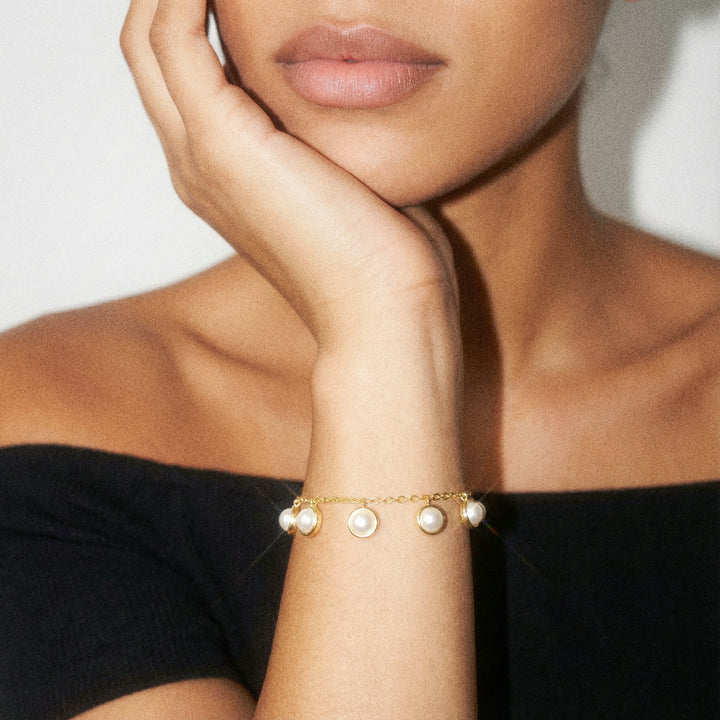
Choose luminous, irregular pearls for effortless everyday hoops.

Image by Tima Miroshnichenko on Pexels
Showcasing the Distinctive Beauty of Unique Pearls Through Style and Story
Pearls are formed when a mollusc's mantle layers microscopic aragonite crystals and organic conchiolin, creating the luminous nacre that defines their beauty. Natural variations, such as changes in water chemistry or the presence of small organisms, can influence the deposition of these layers, resulting in unique shapes and surface characteristics. Common pearl shapes and irregularities include baroque pearls, which lack symmetry; drop or pear-shaped pearls, which are elongated; and surface blemishes that may alter texture and lustre. Blister pearls are distinct as they remain partially attached to the interior of the shell, forming as rounded protrusions. Observing close-up images or simple illustrations reveals the intricate structure of pearls, offering a visual comparison between classic spherical and baroque forms, and highlighting nature’s artistry without assigning hierarchy.
To celebrate the individuality of each pearl, consider pairing minimal settings with gently textured chains and exploring the beauty of asymmetrical arrangements for earrings or pendants. Opting for plain necklines and solid colours allows the natural colour and lustre of the pearls to take centre stage. Where available, noting the provenance of a pearl—its type and origin—adds a layer of authentic character, much like the unique patterning of tree rings. When capturing pearls in photographs, soft, diffused lighting will gently reveal their orientation and subtle surface textures, while careful attention to angle can enhance their natural radiance and form. By thoughtfully presenting pearls in this way, their timeless elegance and genuine charm are truly brought to life.
Irregular pearls capture the unique journey of each mollusc, with their contours, growth rings, and shimmering overtones offering insight into their natural formation. Observing a pearl under magnification can reveal details of its structure and quality, while thoughtful care and protective settings help to preserve the individuality and character that make each pearl truly distinctive.
Consider the sections on formation, causes, lustre, and care as a thoughtful guide, linking each observable detail to a pearl’s unique origin, enduring quality, and individual style. By appreciating these natural signatures, you can celebrate the story of each pearl, allowing its intrinsic beauty to take centre stage rather than viewing any characteristic as an imperfection.