



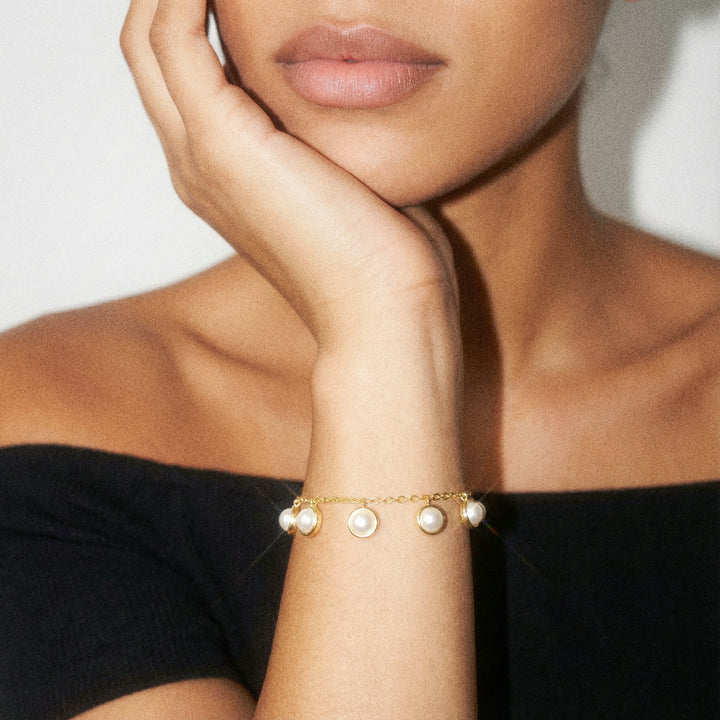



Experiencing discomfort such as redness, itching, or bumps after wearing earrings is a common concern for those with sensitive ears. This guide explores the metals that are less likely to cause irritation, alongside thoughtful advice on selecting and caring for jewellery to help prevent such reactions.
Discover how to identify common allergy triggers, understand the qualities of hypoallergenic metals, and recognise hidden nickel within plating and alloys. With mindful care and thoughtful wear, it is possible to enjoy cherished pieces with greater comfort and confidence, allowing jewellery to be worn with ease and without concern over irritation.

Identifying Subtle Signs of Metal Allergies in Jewellery
Nickel, cobalt, chromium, and certain copper alloys are known to trigger skin sensitivities and are sometimes present in earring posts, clasps, and some plated jewellery. To minimise the likelihood of a reaction, consider choosing pieces crafted from high-purity or inert metals, such as titanium, niobium, platinum, or fine gold, and opt for solid designs rather than plated items, as plating may wear over time and reveal allergenic base metals beneath. Reviewing the metal composition or hallmarks, and carrying out a brief wear test on unaffected skin, can provide added reassurance before incorporating new jewellery into your collection.
Perspiration, certain skincare products, and everyday wear can sometimes affect how metals interact with the skin, particularly during activities such as exercise or swimming. To minimise the risk of irritation, consider creating a gentle barrier between your skin and your jewellery—clear coatings or hypoallergenic backings can be helpful while you determine your personal comfort level. It is best to opt for pieces made from materials that suit your skin, especially if you notice any discomfort. Should irritation continue, consulting a dermatologist for further advice and patch testing can help identify sensitivities and guide your choice of suitable jewellery.
Try freshwater pearl studs on sterling silver base.

Selecting Hypoallergenic Metals for Sensitive Skin
Nickel is the most common allergen found in jewellery, often causing irritation such as itching, redness or flaking at the area of contact. When symptoms persist despite maintaining good hygiene, it may indicate ongoing nickel exposure from the metal itself. For those with sensitive skin, consider metals such as implant grade titanium or niobium, as these are highly resistant to corrosion and release minimal ions. Solid platinum, being chemically inert, and high carat gold that is assuredly nickel free, are also thoughtful choices, as they contain fewer additional alloys. The process of anodising titanium and niobium creates a coloured oxide layer rather than a traditional coating, so the presence of colour does not necessarily suggest added allergens. It is important to ensure that all components in contact with the skin, such as posts and backs, are crafted from hypoallergenic materials. It is advisable to avoid gold plated or base metal costume pieces, as the plating can wear away and potentially expose metals that may provoke a reaction.
When assessing the authenticity and suitability of jewellery, consider looking for recognised industry markings and inquiring about the alloy composition from the seller. If you experience sensitivity, a professional test such as a dimethylglyoxime nickel assessment, or consultation with a dermatologist, may be helpful. For new or healing piercings, opt for refined metals of the highest standard and follow professional care recommendations. Should any irritation occur—such as blistering or a persistent rash—remove the item and seek guidance from a healthcare professional rather than attempting prolonged self-care.
Choose sterling silver studs for sensitive lobes.

How to Recognise and Avoid Nickel in Jewellery Alloys
Nickel is often found beneath plated surfaces, and as this outer layer naturally wears through everyday contact or cleaning, nickel ions may become exposed and could cause skin irritation in sensitive individuals. To minimise risk, select jewellery described as fully nickel-free or crafted from solid, inert metals. Details such as a documented alloy composition or mention of 'nickel release tested' can offer added reassurance. Lasting finishes like rhodium or PVD may provide a further barrier, though their effectiveness depends on the quality and integrity of the application. For peace of mind, a simple nickel spot test or consultation with a trusted jeweller may help confirm the absence of nickel at the surface.
Consider adjusting the point of contact by opting for alternative materials for earring posts, such as titanium or niobium, or by using discreet silicone sleeves to create a gentle barrier for sensitive skin. For those who prefer additional reassurance, re-plating items with a stable metal can further minimise direct skin exposure. It is advisable to remove jewellery during activities that may contribute to corrosion, such as swimming or intense physical activity, and to gently clean new pieces before their first wear to reduce early residue. Regularly observe your skin for any signs of irritation and seek guidance from a dermatologist for patch testing if concerns persist, in order to identify specific sensitivities. These thoughtful approaches allow you to continue enjoying your preferred styles while maintaining comfort and confidence.
Opt for gold-plated studs to reduce nickel contact.

How to Care for Jewellery to Prevent Skin Irritation
When caring for earrings, begin by handling them with clean hands. Remove your jewellery and gently clean the posts and backs using mild soap and warm water or a gentle saline solution, taking care to pat them dry. It is best to avoid substances such as alcohol or hydrogen peroxide, as these may strip away natural oils and irritate sensitive skin. To maintain comfort, consider alternating between pairs to allow your ears to rest, and refrain from wearing earrings whilst sleeping or exercising. Opt for lightweight studs or flat-back designs to help minimise irritation and pressure on the lobe. Should you notice any roughness or corrosion on earring backs, replace them with smooth push-backs or medical-grade silicone sleeves. If needed, a thin, temporary layer of clear coating applied to the post can help reduce direct contact whilst you assess your skin’s tolerance.
Opt for jewellery crafted from high-purity metals and stable finishes, as materials such as platinum, titanium, niobium, and higher-carat gold are less likely to provoke sensitivity. Examine pieces for signs of worn plating, since exposed base metals may be more apt to cause a reaction. It can be helpful to keep a simple record of new additions, materials, and any sensitivity experienced, so you can identify patterns and share them with a dermatologist if needed. If irritation persists, consider seeking professional advice or exploring alternative fittings designed for comfort and ease.
Choose lightweight, gold-finished pearl studs for sensitive ears.
How to Select Jewellery That Complements Sensitive Skin
Titanium and niobium are celebrated for their exceptional biocompatibility and resistance to tarnish, making them suitable choices for those with sensitive skin. Platinum, known for its chemical stability, and high-carat gold, with its reduced alloy content, are also favoured for their gentle touch. Certain surgical-grade stainless steels are valued for their minimal nickel content, though high-carat gold may be softer and more prone to marks, while platinum's density sets it apart as a rarer option. For those considering new jewellery for daily wear, it is advisable to ensure each piece is thoroughly cleaned before first use. Testing for skin compatibility may involve pressing the jewellery against clean, covered skin and observing for any signs of irritation such as redness or itching. Nickel testing kits can provide further reassurance; simply follow the instructions provided, observe the results over the recommended period, and note any reactions to help determine the most suitable metal for your needs.
For those with sensitivities, opt for jewellery crafted from solid metals or pieces with clearly indicated purity marks, as these are less likely to cause irritation over time. When choosing items, enquire about the composition of any alloys and seek descriptions such as medical or implant grade, as plating may naturally wear and reveal base metals beneath. To maintain comfort, gently clean and keep earring posts and backs dry, consider switching to hypoallergenic options like titanium or medical plastic when available, and avoid contact with perfumes, chlorinated water, and harsh cleaning agents. Rotating between different metals may also help to identify any personal triggers. Should irritation persist, consult a dermatologist for professional testing and request details of metal composition from your retailer. For those with heightened sensitivity, implant grade materials may be recommended under professional guidance.
Caring for sensitive ears begins with selecting jewellery crafted from high-purity, inert metals, such as titanium, niobium, platinum, or high-carat gold that is certified nickel-free. Choosing solid or well-crafted pieces with quality finishes can help minimise the risk of irritation, while opting for secure, gentle earring backs ensures comfort throughout the day. Prioritising thoughtful materials and design offers both peace of mind and enduring elegance for those with delicate skin.
Examine hallmarks, enquire about the alloy composition, and consider conducting a nickel sensitivity test. Maintaining a simple record can help you recognise any patterns and, if necessary, share insights with a dermatologist. These thoughtful measures not only help minimise irritation but also preserve cherished jewellery pieces and empower you to make informed, safer choices.