

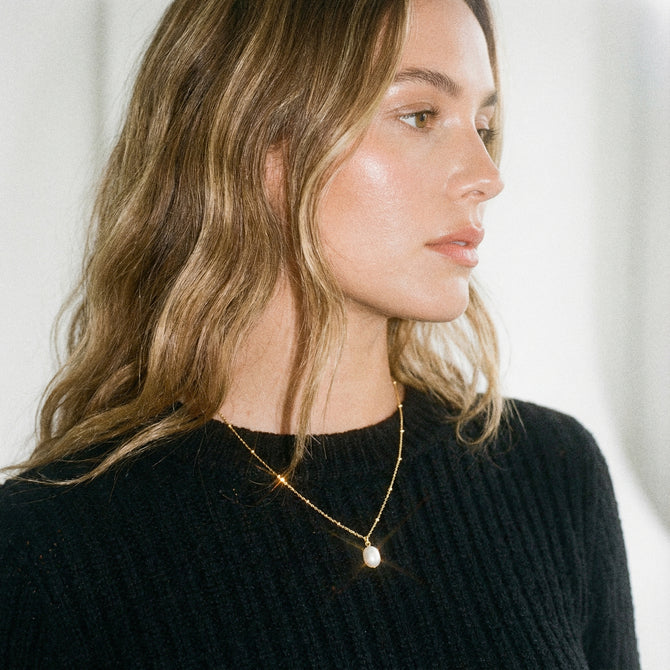





Selecting pearls can be a nuanced experience, as variations in origin, treatment, and grading may influence their natural lustre and enduring quality. Understanding these distinctions ensures that each piece retains its timeless beauty and remains a cherished addition to any collection.
This guide explores how to confirm provenance and traceability, appreciate lustre, surface quality, shape, colour, and size, and review certificates or independent laboratory reports. It also offers guidance on evaluating supplier credibility, considering ethical sourcing, and following a thoughtful checklist for both purchase and post-purchase care, ensuring a confident and informed selection.

Why Provenance and Traceability Matter in Fine Jewellery
Begin by ensuring there is a clear documented history for each pearl, including certificates, batch details, export documentation, and identification of the source farm. Cross-check these reference numbers with the relevant issuing authority to confirm authenticity, as verification may require direct contact rather than public records. It is advisable to review impartial test results, such as X-ray or radiograph images that demonstrate either a bead nucleus or a continuous layer of nacre. Scientific reports, such as those using advanced chemical analysis where available, may provide additional insights into origin, though documentation and imaging remain the primary methods. Always verify each report's unique reference number, and confirm that the laboratory responsible holds proper accreditation so the findings are both trustworthy and comparable.
When considering the authenticity and quality of a pearl, it is wise to review clear, high-resolution images from several angles. Photographs of the oyster, harvest batch, and any accompanying tags or identification can be helpful in assessing provenance. Take time to compare the surface texture, lustre, nacre thickness, and colour with the supplier’s records. Request information regarding the oyster species, farming practices, and any independent audits or quality certifications that may be relevant. If available, follow digital provenance records or QR codes to understand the journey of the pearl from farm to seller. For those who wish to be especially thorough, an independent gemmologist or accredited laboratory can provide an impartial evaluation, which can then be checked against the supplied documentation. Any inconsistencies in measurements, colours, or reference numbers should prompt further consideration to ensure confidence in your selection.
Choose naturally formed freshwater pearls with documented provenance.

Key Qualities to Consider When Evaluating Pearls
To assess the lustre of a pearl, gently tilt it under soft, natural light and observe the clarity of its reflection. Pearls with a mirror-like sheen and crisp highlights often possess a thicker, well-formed nacre, while softer, less defined reflections may indicate a thinner nacre or a surface coating. Subtle iridescent colours, or orient, around the reflection signal depth and natural beauty beyond surface shine. When examining the surface, use a magnifying glass to identify details such as tiny pits, raised contours, natural growth lines, or traces of polish. Take photographs of any distinguishing features for reference. If inspecting drill holes, look for concentric layers or signs of flaking, which may reveal superficial coatings or shallow nacre. Keeping a record of observations and images allows for thoughtful comparison between individual pearls or strands, ensuring a discerning evaluation.
To appreciate the shape and symmetry of pearls, gently roll them on a flat surface and observe their movement; a perfectly round pearl glides smoothly, while button or drop shapes may remain still or rock gently. Baroque pearls, with their unique contours, should be embraced for their distinctive character rather than dismissed as imperfect. To evaluate colour, view each pearl against neutral grey or black backgrounds in soft, balanced daylight; this allows you to distinguish the natural body colour from any subtle overtones or iridescence, as well as to note any delicate variations across the surface. Measure pearl size at the broadest point with a vernier or digital calliper, and consider weighing them on a precision scale if desired. When examining a strand, subtle size differences of around half a millimetre or more are often perceptible and can help indicate authenticity. As with all natural materials, genuine pearls display variations that only add to their unique allure.
Choose sculptural hoops celebrating natural pearl character

Why Authenticity Certificates and Lab Reports Matter in Jewellery
When considering a laboratory report for pearls, ensure it is the original, numbered document issued directly by the laboratory, rather than relying on a photocopy or unsigned printout. Key details to look for include specific characteristics such as species, cultivation method, nacre thickness, size, weight, lustre grade, surface quality, and any declared treatments such as bleaching, dyeing, or coating. These particulars allow for an informed comparison with the piece presented. It is prudent to seek reports from independent, accredited laboratories that operate to ISO/IEC 17025 standards, and to confirm that the laboratory maintains no commercial affiliations with the seller.
When evaluating pearls, it is prudent to request supporting technical documentation where available, such as high-resolution photographs or microscopic images that reveal the surface characteristics, as well as X-ray radiographs to provide insight into the internal structure. These materials can help substantiate any claims regarding the composition or treatments of the pearl. Traceability documents, which establish a link between the pearl and its origin, can also offer valuable assurance regarding provenance. Retaining certificates is advisable for purposes of insurance or potential resale. For pieces of considerable value, seeking an independent assessment may offer further confidence in both quality and authenticity.
Choose verified freshwater pearl drop hoops for confident elegance

Exploring Supplier Credibility and the Art of Ethical Sourcing
When seeking to understand the journey of a pearl from its origin to finished piece, consider requesting comprehensive documentation that details provenance, such as records from the farm or cooperative, batch numbers, and relevant processing information. Photographs or video from the harvest or processing stages can offer further reassurance of consistency. Independent laboratory reports—clarifying species, whether pearls are cultured or natural, and any treatments—should always come from reputable labs whose credentials and documentation can be readily verified. Insights into farming and processing practices, along with summaries of environmental and social audits, can be compared against recognised industry benchmarks to gauge stewardship and ethical labour standards. Such transparent practices help ensure confidence in both the authenticity and responsible sourcing of pearls.
Ensure a supplier's credibility by reviewing their trade registrations, licences, and membership of reputable trade associations. Take time to explore independent customer feedback and request references to observe the clarity and promptness of their communication. To foster transparency, seek written confirmation of return, testing, and dispute-resolution policies, and ask for permission to arrange independent third-party testing if needed, alongside evidence of shipment insurance or guarantees. Gathering these materials and responses provides a clear record, enabling you to make informed comparisons and to address any inconsistencies with confidence.
Prefer certified freshwater pearls for a confident, elegant choice

Essential Checklist for a Seamless Jewellery Shopping Experience
When considering pearls, request comprehensive documentation outlining their provenance and treatment, including whether they are natural or cultured, their species or mollusc source, harvest region, and any enhancements such as bleaching or dyeing. Cross-reference these details with independent gemmological certificates by verifying their validity through the issuing laboratory. Examine the pearls closely, either in person or through high-quality images, assessing their lustre, orient, surface quality, colour harmony, and growth structure. Ask for nacre thickness measurements or detailed images of drill holes and strand matching. Finally, seek reports from reputable gemmological institutions detailing their identification methods and observations, and confirm the authenticity of these documents directly with the laboratory.
To safeguard your pearls, retain any certificates and receipts, and carefully note their condition with photographs and written records. Periodically inspect clasps, settings and stringing for signs of wear so any concerns can be addressed promptly. Professional cleaning and restringing may be advisable over time, while an independent valuation can offer assurance should questions about provenance or treatments arise. For peace of mind, arrange insurance with thorough documentation. Store pearls flat in a soft, breathable pouch, taking care to keep them away from chemicals and abrasive materials. Refrain from using ultrasonic cleaners or harsh detergents, and seek a professional gemmologist’s assessment if you ever suspect damage or prior treatments. This attentive approach helps preserve the inherent beauty and quality of your pearls for years to come.
A considered approach to selecting pearls safeguards both value and authenticity. It is important to assess qualities such as lustre, colour, and the depth of nacre, while also examining provenance and any available independent certifications. Supporting documentation, including a traceable history and detailed imagery or measurements, can help you differentiate genuine, well-crafted pearls from those that may have been altered or misrepresented.
Begin by confirming the provenance and traceability of your pearls, then carefully inspect their lustre, surface, shape, colour, and size. Obtain certificates or independent laboratory reports to ensure authenticity and quality. Retain these documents and images for your records, and consider independent assessment if any uncertainty arises. By maintaining thorough documentation and mindful post-purchase care, you can preserve the enduring beauty and integrity of your pearls with confidence.