



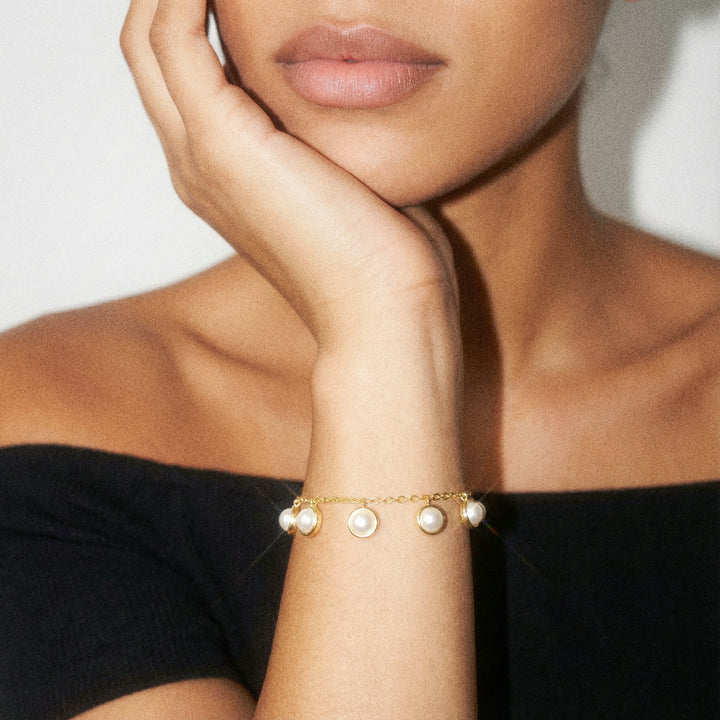



Achieving a gold-plated finish on sterling silver that retains its true colour and endures everyday wear requires careful consideration. The final appearance and durability are shaped not only by the surface layer but also by the alloy composition, the condition of the underlying metal, and the specific techniques used during the plating process.
This article explores how to assess sterling silver, prepare surfaces with care, and select suitable plating techniques to ensure a refined and enduring finish. It highlights thoughtful approaches to maintaining lustre, including gentle cleaning and strategies for refreshing the surface when needed. Additionally, the post considers the qualities of sterling silver alongside alternative base metals, offering perspective for those seeking a lasting, elegant gold appearance.

Is Sterling Silver the Ideal Base for Elegant Plating?
To ensure a piece is ready for further care or enhancement, begin by examining hallmarks closely, perhaps with a magnifier, and consider a simple magnet test to distinguish genuine metal from imitations. If necessary, a professional assessment can confirm the presence of sterling silver and identify any alloyed elements. Carefully clean the surface to remove any traces of oil, dirt, or tarnish, using gentle polishing techniques or an ultrasonic bath, followed by a delicate etching or light abrasion to reveal pristine metal beneath. Inspect for subtle signs such as discolouration, flaking, or variations in colour, and, if appropriate, test a discreet area to detect any loose coatings. Should older finishes be present, they may be removed thoughtfully before reassessing the underlying material. Remember, a brilliant shine alone does not indicate proper readiness, as lasting finishes require surfaces free of organic residues and oxidation.
When considering jewellery design, careful attention to elements such as geometry, slender sections, defined edges and features subject to frequent contact, including ring shanks, clasps and links, can help maintain an even and lasting finish. Choosing a suitable intermediary layer between silver and gold is particularly important, especially where sensitivity to certain materials is a concern—nickel-free alternatives are often preferred. For areas exposed to greater wear, additional protective measures may be beneficial. Evaluating test samples, assessing thickness and colour, and conducting adhesion and wear checks can all contribute to refining the finishing process, ensuring each piece retains its elegance and quality over time.
Choose plated sterling silver for durable, everyday elegance.

Ensuring Surfaces and Plating Methods for Authentic Pearl Colour
Proper preparation of surfaces is crucial in achieving an elegant and enduring finish. Careful cleaning, including gentle degreasing and a thorough rinse, removes any oils or residue that might affect the evenness and adhesion of later layers. Polishing and subsequent cleaning help to eliminate any marks or oxidation that may arise during the crafting process, ensuring the underlying silver remains bright and well-textured. This meticulous attention to detail influences how the final layer will reflect light and determines the richness of the finished colour. Ensuring every piece is impeccably clean before proceeding reduces the likelihood of uneven colour or issues with durability.
Achieving the perfect gold finish on jewellery requires both artistry and precision. To preserve the natural beauty of pearls and ensure lasting colour, a delicate underlayer such as palladium or rhodium is often applied to maintain a neutral hue, while a fine copper layer may be used to bring warmth to the gold. The choice of plating technique and gold alloy plays a vital role in balancing the durability and elegance of each piece. Techniques such as traditional electroplating or advanced physical vapour deposition are selected based on the desired depth and resilience of the coating. Rigorous quality checks, including careful assessment of coating thickness and adhesion, help ensure the finish remains beautiful in everyday life. Every stage is meticulously recorded and refined, guaranteeing a harmonious blend of colour, quality, and enduring style.
Choose classic pearl studs for lasting, elegant everyday wear

How Plating Enhancements Influence Jewellery Longevity
The journey to achieving a flawless gold finish on sterling silver begins with careful polishing and meticulous preparation. By ensuring each surface is immaculately clean and free from any residues, artisans lay the foundation for a lasting bond between the precious metals. A delicate barrier layer is then introduced to preserve the lustre of the gold and prevent any natural discolouration over time. In this process, only materials gentle to the skin are selected, upholding both the beauty and comfort of every piece.
Selecting the ideal gold alloy and thickness enhances both the colour and lasting appeal of a piece. By fine-tuning the combination of precious metals, artisans achieve subtle variations between warm yellow and delicate rose hues. For pieces designed for light, occasional wear, a finer layer may be chosen, while those destined for frequent use benefit from a more robust finish. Each stage of the process, from careful adjustment of conditions to the choice of finishing techniques, is designed to bring out a lustrous, enduring surface. To ensure every detail meets the highest standards, durability is assessed through carefully controlled tests, with results recorded to guide future refinement and maintain exceptional quality.
Enjoy warm gold-plated luster with everyday pearl studs.

How to Preserve the Radiance and Colour of Your Jewellery
To identify when replating may be necessary, observe your jewellery for signs such as fading or greyish areas, exposed silver at points of frequent contact, or a subtle shift in colour following wear. As pure gold does not tarnish, any noticeable change in hue suggests the gold layer has worn away. It is advisable to document these areas and consult a skilled technician, who can assess the remaining gold thickness before any decisions are made. When considering replating, ensure you request information about the thickness to be applied, as well as the method of surface preparation and any layers added to enhance adhesion. These factors contribute to the durability and lasting beauty of the piece. Plating gold over sterling silver offers a neutral, luminous base, allowing the gold’s true colour to shine, in contrast to darker metals which may alter its appearance.
To help preserve the natural beauty of your jewellery, it is best to remove pieces before applying lotions, perfumes or household cleaners, and to avoid wearing them while swimming, engaging in strenuous activities, or undertaking manual tasks. Regularly clean your jewellery with warm water, a touch of mild soap and a soft brush; then rinse, gently pat dry with a microfibre cloth and buff with care. Steer clear of abrasive pastes and harsh solvents, as these can damage the delicate gold layer. Should any wear occur, a trusted jeweller can assist with gentle rebuffing or spot-plating, and may recommend a professional protective finish. Keeping photographs and maintenance notes can help future specialists match the original colour and finish with accuracy.
Wear a gold-plated pearl pendant as a daily essential.

Sterling Silver vs Other Metals: What Sets It Apart?
Sterling silver, comprising 92.5% silver, is renowned for its high reflectivity. This quality allows gold plating to appear warmer and more authentic compared to finishes applied over less reflective metals such as copper or brass, which can sometimes influence the tone of the gold. When gold layers are fine, the underlying metal may subtly affect the overall colour. Choosing a more reflective base or increasing the thickness of the plating can help maintain the intended hue. In addition, applying a bright, inert underlayer assists in achieving a consistent finish. Copper-rich bases are prone to oxidisation, which may result in areas of greening or darkening if the surface becomes worn, so careful preparation and protective barrier layers are essential to preserve both appearance and longevity.
The durability and scratch resistance of jewellery can vary depending on whether sterling silver, brass, copper, nickel alloys, or stainless steel is used as a base metal. These differences affect how well a gold finish endures everyday wear. Measuring the thickness of the plating in microns and performing controlled abrasion tests offers insight into the longevity of a piece’s finish. It is important to note that some alloys may contain nickel or other sensitising elements that could cause reactions, even beneath a layer of plating. For this reason, selecting nickel-free bases for pieces intended for frequent contact with the skin is recommended, and conducting appropriate tests ensures comfort and safety. Careful production methods, such as mechanical polishing and ultrasonic cleaning, help the plating adhere smoothly, while post-plating checks—such as visual colour assessments in neutral light and adhesion tests—ensure a consistent and lasting result. These combined practices help maintain colour fidelity, wear life, and wearer comfort, assisting in the selection of suitable materials and plating techniques.
Achieving a rich, lasting gold finish on sterling silver calls for meticulous preparation and thoughtful application. Each stage, from the initial surface refinement to the layering of gold, is guided by careful attention and expertise, ensuring depth of colour and enduring quality. Subtle adjustments to materials and technique can influence both the tone and resilience of the finish, reflecting the artistry and precision behind timeless jewellery creation.
To maintain the enduring beauty and authentic lustre of plated pieces, it is essential to adopt mindful care habits. Gentle, routine cleaning and thoughtful storage help preserve both the colour and the finish. By keeping a record of care routines and understanding the unique requirements of each piece, the integrity and elegance of your jewellery can be gracefully extended over time.