





Navigating the distinctions between gold-plated and solid gold jewellery can be nuanced, particularly as terms like karat and vermeil refer to distinct qualities. Karat indicates the purity of gold in solid alloys, while vermeil denotes gold-plated sterling silver. Everyday wear presents unique considerations, from routine exposure to water to individual skin sensitivities, all of which can influence how different materials endure over time.
This guide explores essential gold terminology and composition, compares the enduring qualities of different metals, and offers advice on care and cleaning to support confident selection. It also includes insights on assessing skin sensitivity, choosing metals for lasting comfort, and identifying hallmarks of quality, ensuring your jewellery harmonises with your lifestyle and personal sense of elegance.

Understanding Gold: Terminology and Composition Explained
Gold purity is measured in carats, noted as ct, indicating the proportion of pure gold present within an alloy. For instance, 18ct signifies 18 parts pure gold out of a total of 24, equating to 75 percent gold. The presence of an assay hallmark serves as the most reliable indication of gold content, with manufacturer stamps offering additional context. It is advisable to compare any accompanying documentation to these hallmarks for assurance. The construction of gold jewellery can vary: solid gold is consistent throughout, while gold-plated pieces feature a delicate layer of gold applied over a base metal. Vermeil describes gold plating over sterling silver, and gold-filled jewellery utilises a mechanically bonded, thicker gold layer. Generally, both solid gold and substantial gold-filled designs offer greater resilience for regular wear when compared to items with only a fine gold plating.
The metals used in alloys influence not only the colour and strength of jewellery, but also how it interacts with your skin. Copper introduces a subtle redness and enhances durability, while silver lends a lighter hue. Palladium and nickel contribute to a paler tone, although nickel may increase sensitivity for some wearers. If you have delicate skin, it is advisable to seek confirmation of 'nickel-free' status or request specific alloy information. The durability of plating is shaped by its thickness, typically measured in microns, and the method of application. For peace of mind, enquire about the micron value and examine areas prone to frequent contact, such as the undersides of rings and the links of chains, for early signs of wear. To verify authenticity, compare hallmark stamps with accompanying documentation and consider a magnet test, as genuine gold is not magnetic. For vintage or well-worn pieces, professional evaluation may be worthwhile. While an acid test can offer a general indication of gold content, it may cause minor surface alteration. Alternatively, XRF analysis delivers precise, non-destructive results, allowing you to make informed decisions about suitability for everyday wear.
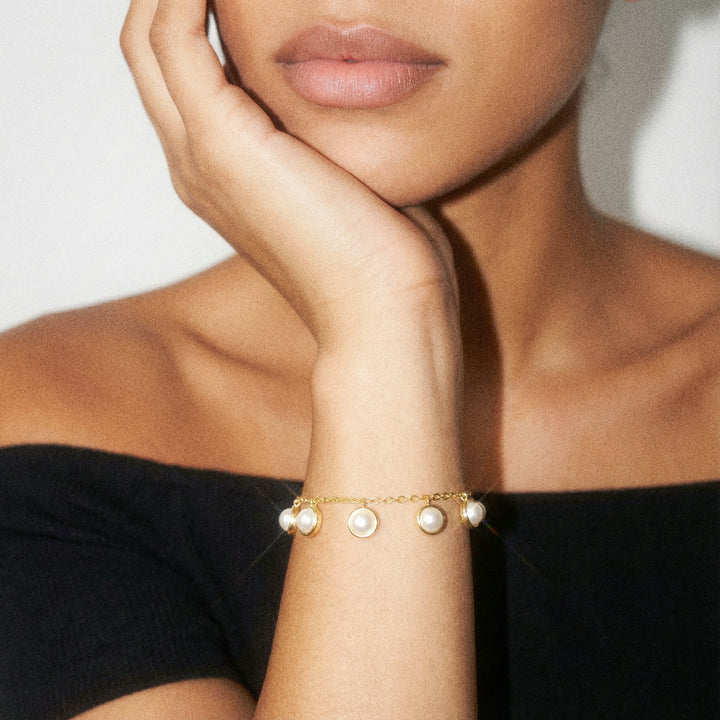
Wear a gold-plated, sterling-silver pearl bracelet.

Is Everyday Jewellery Designed to Withstand Daily Life?
The carat of gold and the metals with which it is alloyed influence both its hardness and resistance to scratches. Higher carat gold features a greater proportion of pure gold, resulting in a softer finish, whereas lower carat gold, alloyed with copper, silver, or zinc, offers improved durability against everyday wear. When considering longevity, it is helpful to note the carat stamp, which indicates expected resilience. Plating varies from delicate electroplating over base metals to more substantial vermeil atop sterling silver. The thickness of this layer, measured in microns, can affect how well the finish endures, especially in pieces exposed to frequent contact. It is wise to select jewellery suited to your daily routine: rings and bracelets are most vulnerable to abrasion, while necklaces and studs tend to experience less friction. Exposure to water, soaps, perspiration, or fragrances can hasten signs of wear. Gentle maintenance, such as removing pieces for household tasks and cleaning with a soft cloth, helps preserve their lustre. While solid gold may be re-polished or resized with ease, plated jewellery can also be restored through re-plating to maintain its original beauty.
When examining jewellery, look for hallmarks or fineness marks discreetly placed within bands or clasps. Gently inspect the edges of areas that experience frequent contact, using a magnifier to observe any subtle changes in colour or the presence of underlying metal. Assess the piece’s weight in comparison to similar items for a sense of authenticity. While a magnet can help identify ferrous elements, it is not definitive in determining gold purity. By considering factors such as carat and alloy, the nature and thickness of any plating, typical contact surfaces, and care routines, you can better understand whether plated or solid gold jewellery will complement your everyday style.
Pick gold-plated studs for low-maintenance, everyday wear.

How to Care for Jewellery and Preserve Its Timeless Beauty
To care for both solid gold and gold-plated jewellery, gently clean each piece with a soft cloth and a mild detergent solution. Gold-plated items should always be handled with particular delicacy, avoiding abrasive cloths, polishing agents or ultrasonic cleaning, as these may affect the finish. Solid gold, by contrast, may be carefully polished and can usually be cleaned with the assistance of a professional when required. For storage, keep each piece separate in a soft pouch or within a fabric-lined compartment. Plated jewellery should be stored apart from harder metals and gemstones. For alloyed gold, consider adding a desiccant sachet or anti-tarnish strip to help preserve its natural colour and lustre by limiting exposure to humidity and sulphur.
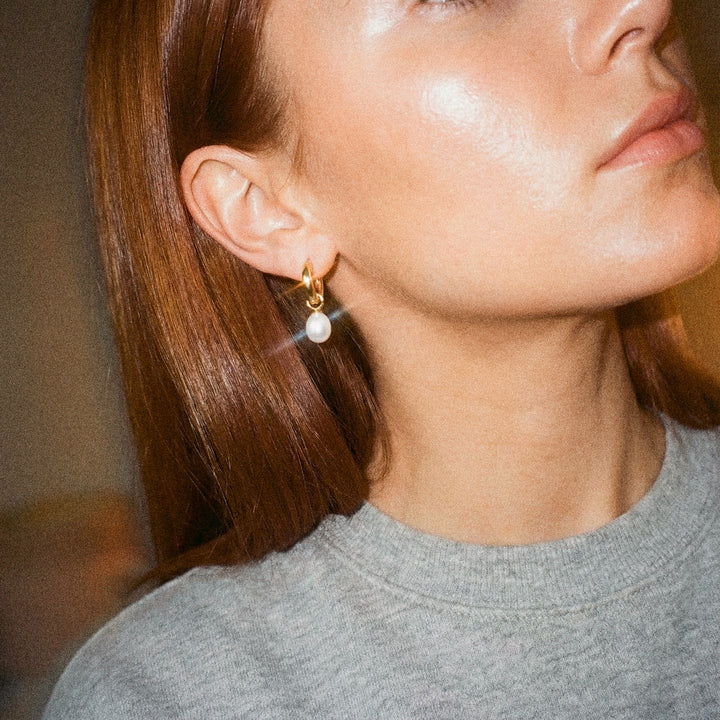
Opt for delicate gold-plated hoops for everyday wear.

How to Ensure Jewellery Comfort and Suitability for Sensitive Skin
To ensure your jewellery is suitable for sensitive skin, gently test a small area on the inside of your forearm. Secure the piece, or a sample of its metal, against your skin with a plaster and observe for any signs of redness, itching or raised bumps. Should a reaction develop, remove the item promptly and seek advice from a dermatologist. Sensitivities often arise from base metals such as nickel or from worn plating that exposes the underlying alloy. A thicker, more stable plating will continue to protect the skin only while it remains intact. When comparing solid gold and gold-plated styles, consider that higher-purity solid gold typically contains fewer potential irritants, whereas plated items shield the skin until the outer layer naturally wears. It's helpful to look for hallmarks or documentation indicating gold purity, and, for plated jewellery, to enquire about the type of plating and its thickness.
Opt for hypoallergenic metals such as high-purity gold, platinum, titanium, niobium or surgical-grade stainless steel, or consider inert topcoat finishes like rhodium applied over white gold to help minimise nickel contact. Ensure skin is dry prior to wearing jewellery, avoid extensive friction or retained moisture, and remove pieces when applying perfumed products or after swimming. Regularly clean areas that touch the skin to help reduce irritation. Should signs of wear appear, arranging for professional re-plating or repair can prevent exposure to underlying alloys. These mindful practices foster lasting comfort and help you discover which metals best suit your daily style.
Choose a gold-plated sterling bracelet for comfortable daily wear

How to Choose Jewellery That Reflects Your Lifestyle and Quality
Consider your daily routine when selecting jewellery. Activities such as showering, swimming, exercise, or time spent gardening and typing can all influence how your pieces wear over time. Gold plating may show signs of wear most readily at high-contact points like rings, bracelet clasps, or the edges of necklaces. Solid gold alloys respond differently to contact and exposure than plated items, making them ideal for pieces you wish to wear every day. Plated jewellery, by contrast, is often best enjoyed in rotation or for occasions that demand less frequent wear. When assessing composition, hallmark numbers such as 9ct, 14ct, or 18ct reflect increasing gold content, while terms like 'gold plated,' 'GP,' or 'vermeil' indicate a plated finish, often over a silver base. Details such as plating thickness, measured in microns, may also be helpful, as a thicker layer generally ensures greater longevity. Understanding these distinctions allows you to choose pieces that complement your habits and require a level of care suited to your lifestyle.
Examine the construction of jewellery carefully, paying particular attention to the quality of soldered joins, the integrity of links, the type of clasp, and the security of stone settings. Gently flex chains at the joints and test clasps for proper tension, while tilting settings can help reveal any loose prongs. Robust construction is often a sign of lasting quality, independent of the surface metal's appearance. Simple tests, such as checking with a magnet to identify certain base metals, or weighing in the hand to assess heft, can offer initial insights, though these are not always conclusive. For precise metal identification, it is best to consult a professional jeweller. Observing for any change in colour or exposed base metal can indicate when re-plating may be necessary. When wearing a new piece, try it against clean skin to detect any sensitivities, ensuring both the jewellery and skin are free from chemicals. If ever uncertain, seek an assay from a jeweller. Preserve each piece by cleaning it gently, removing it before engaging in strenuous tasks, and storing items separately to prevent abrasion.
Selecting between gold-plated and solid gold jewellery is a matter of considering your personal style, the frequency with which you wear each piece, and individual skin sensitivities. Evaluate the carat and alloy, look for appropriate hallmarks, and consider the thickness of plating alongside craftsmanship, as these factors influence longevity, comfort, and the potential for future care or restoration.
Simple measures such as using a magnet or magnifier, conducting a brief wear assessment, and performing a discreet patch test for sensitivity can help identify potential concerns early on. Maintaining jewellery with gentle cleaning and careful storage preserves both its beauty and longevity. With considered care, each piece can find its place within a curated daily collection, ensuring you enjoy both comfort and confidence in your everyday adornment.