



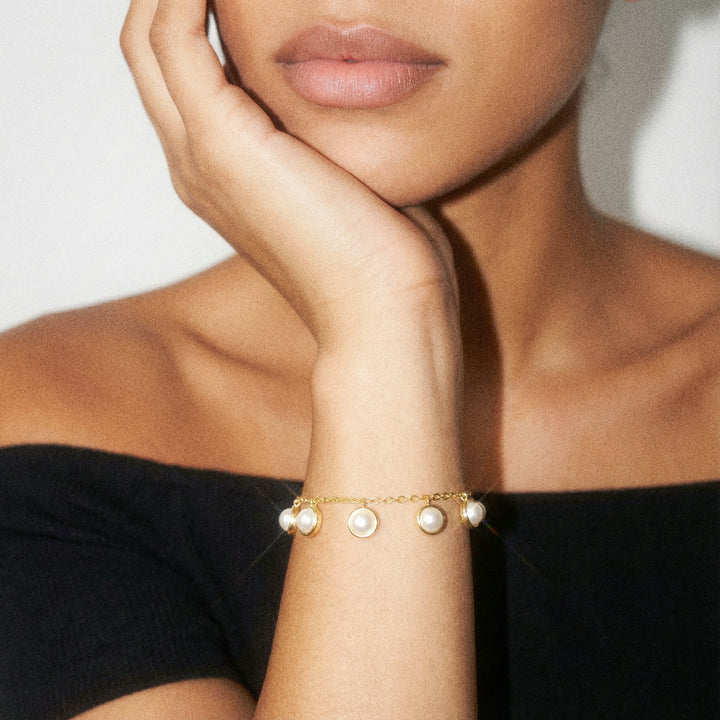



Selecting demi-fine jewellery can be a nuanced process, particularly when encountering terms such as vermeil, gold plating, or solid metals. Understanding how factors like plating technique, metal base, and pearl quality influence the longevity and appearance of a piece is essential for making an informed choice.
This guide will help you identify demi-fine jewellery and distinguish between vermeil, gold plating, and solid metals, as well as understand how to evaluate freshwater pearl quality, plating thickness, hallmarks, and craftsmanship. With these thoughtful considerations, you can select jewellery that complements your lifestyle and maintains its refined appearance over time.

What Sets Demi-Fine Jewellery Apart?
When selecting fine jewellery, look for hallmarks and metal stamps, such as a 925 mark, which signifies a sterling silver foundation. Genuine pieces often feature meticulous finishing: clasps and jump rings should close seamlessly, with neat soldering and secure settings. The weight of the piece can also offer clues, as denser items typically reflect higher standards of craftsmanship. Examine the jewellery under good light, paying attention to the edges and areas behind stones for any subtle colour variations that may indicate where plating has begun to wear. A discreet test with a strong magnet can also help to distinguish between precious and base metals, contributing to a more informed assessment of quality and authenticity.
When assessing freshwater pearls, observe subtle irregularities in shape, surface texture, and colour overtones. Examine the lustre and inspect drill holes, as perfectly uniform, glass-like beads or painted finishes may indicate imitation pearls. It is wise to request documentation and care guidance prior to making a purchase, such as details regarding metals and plating, cleaning suggestions, and information on returns or repairs. Upon receiving the piece, thoughtfully compare it to the specifications provided, noting aspects such as plating thickness and the composition of any underlying metals. Pay particular attention to areas most prone to wear, like the inner bands of rings or settings. Clear specifications and well-considered aftercare advice will help you form an informed perspective on the piece’s longevity and whether it suits your way of wearing jewellery.
Choose 925 silver pearls with durable 18ct gold plating.

A Closer Look: Vermeil, Gold Plating, and Solid Metals Compared
Vermeil refers to sterling silver adorned with a layer of gold to a minimum thickness of 2.5 microns, whereas standard gold plating over base metals is typically less than 0.5 microns thick. Solid metals may include 9ct, 14ct, or 18ct gold, as well as 925 sterling silver. To determine construction, consider details such as hallmarks like 925 or 9ct, and seek confirmation of vermeil status or plating thickness for clarity. Such thoughtful checks allow you to select materials that suit your preferences and ensure the jewellery will maintain its character and beauty through everyday wear.
The longevity of a jewellery finish is influenced by factors such as plating thickness, the hardness of the base metal, and exposure to elements like perspiration, friction, or chemicals. For pieces you wish to wear often, consider options crafted from solid precious metals or those with a more substantial vermeil finish, as finer plating may reveal signs of wear sooner. Nickel in base metals is a common cause of skin sensitivity, whereas sterling silver and higher carat gold are generally gentler on the skin. If you have sensitive skin, seek out vermeil or solid precious metals marked as nickel-free, and test wear in a discreet area when possible. To preserve the beauty of freshwater pearls, gently clean with a soft cloth and mild soap, avoiding harsh chemicals or ultrasonic devices. Store each piece separately and ensure it is dry after contact with moisture. Over time, re-plating or professional polishing may be considered, while selecting metal colours and settings that protect the pearl and maintain the natural balance and drape of your jewellery.
Choose sterling silver pearl studs for everyday gentle elegance

Discover the Qualities That Define Exceptional Freshwater Pearls
When examining a pearl, observe how it reflects light and feels in your hand; a thicker layer of nacre tends to reveal deeper, mirror-like reflections and offers greater resilience. Using a loupe, you may notice delicate concentric lines near the drill hole—a subtle indication of the pearl’s growth. If durability is a particular concern, consider requesting nacre-thickness details or an X-ray image for added assurance. To appreciate a pearl’s lustre and orient, view it in gentle, natural light, rotating it slowly to see whether the reflections remain crisp and if soft rainbow overtones shift with each angle. Take note of your observations to compare different pearls with clarity. Finally, inspect the surface under magnification for any small imperfections or signs of wear, and check around the drill hole for signs of chipping or flaking—clustered blemishes or signs of peeling may suggest a more delicate nacre layer or less careful craftsmanship, which can affect how well the pearl wears over time.
Assess pearl diameter at several points and photograph pearls alongside one another to evaluate roundness and how well they match. Consider the degree of shape variation your design will embrace, as perfectly round freshwater pearls are uncommon, and subtle irregularities can lend a contemporary character when colour and lustre remain consistent. Enquire specifically about any treatments such as dyeing, bleaching or coatings, and inspect for indications of enhancement, like unusually uniform colour, concentrated pigment near the drill hole or an excessively glossy surface. If the origin or natural state of the pearl is of importance, request test certificates or a professional appraisal to verify whether the colour is inherent or altered, and reflect on the care requirements for your chosen style. Maintain clear records of your measurements, photographs and supplier correspondence to enable objective comparison of strands or pairs, supporting well-informed design decisions.
Try sculptural freshwater pearls for character and lasting lustre.

Key Indicators of Quality in Fine Jewellery: Hallmarks, Plating, and Craftsmanship
Begin by examining hallmarks and stamps, typically found on the inner shank of rings, inside clasps, and on the posts and backs of earrings. Seek out clear indicators such as 925 for sterling silver, or 9ct, 14ct, and 18ct for gold purity, using a jeweller’s loupe to discern more delicate stamps. A distinct hallmark offers reassurance of the metal’s authenticity. For plated pieces, inquire about the method and thickness of the plating, as a greater depth of plating, measured in microns, generally ensures greater resilience to everyday wear. Take note of the construction: precise soldered joins, securely welded jump rings, solid posts, and carefully shaped settings suggest a piece crafted for both longevity and potential repair. In contrast, glued fittings and hollow elements may be more prone to early wear.
To appreciate the quality of freshwater pearls, examine them closely for concentric growth lines, which signal a rich layer of nacre. Confirm that each pearl is individually knotted, and look for cleanly finished drill holes; these details help preserve their lustre and offer reassurance should a strand ever break. Subtle, non-intrusive checks—such as inspecting drill holes for exposed cores—can provide further insight into their craftsmanship. If greater assurance is desired, consider requesting certification through X-ray analysis to verify the composition of the pearl’s nucleus. Be mindful of rapid tarnishing or greenish discolouration, often influenced by certain metal alloys, personal skin chemistry, or surface treatments. When in doubt, a professional jeweller can offer expert advice. For those with sensitive skin, a brief wear test on a discreet area may help identify any adverse reactions. Obtaining official certification or an assay provides added confidence in the authenticity and composition of your chosen pearls.
Try gold-plated sterling studs for durable, skin-friendly pearl wear.
![{"image_loaded": true, "load_issue": null, "description": "A close-up image showing a person's wrist adorned with a bracelet made of white pearls. The person's right hand is touching the bracelet, displaying manicured nails painted in a glossy, pale pink color. The person is wearing a long-sleeved white garment, and the background is softly blurred in neutral tones.", "people": {"count": 1, "roles": ["model"], "visible_demographics": "adult, female-presenting", "attire": "white long-sleeve garment", "pose_o](https://cdn.shopify.com/s/files/1/0371/8817/3961/files/image_loaded_true_load_issue_null_description_a_close_up_image_showing_a_person_s_wrist_adorned_with_a_bracelet_made_of_white_pearls_the_person_s_right_hand_is_touching_the_bracelet_d_056de9fa-a221-45b3-aead-a78fa26d4a5f.webp?v=1768545235)
Caring for Pearl Jewellery: Ensuring Lasting Elegance in Everyday Life
Vermeil features a generously thick layer of gold expertly applied over sterling silver, offering greater resilience to everyday wear compared to standard gold plating, which uses a finer layer over base metals and may show signs of wear sooner, particularly at areas of frequent contact. In contrast, solid metals such as sterling silver or gold do not experience this layered effect and remain unaltered over time. Freshwater pearls, being organic by nature, are inherently softer and sensitive to acids, abrasion, and excessive heat, necessitating more delicate care than metal pieces. For jewellery worn daily or during more active pursuits, solid metals or thoughtfully crafted vermeil with soldered links, robust chains, and reinforced fittings provide enduring elegance. Alternatively, pieces destined for occasional wear, especially those with fine pearl strands, are best reserved for gentle, infrequent use to preserve their beauty.
To care for vermeil and gold-plated jewellery, cleanse gently with mild soap and a soft cloth, avoiding abrasive materials, and always remove pieces before applying perfume or moisturiser. For sterling silver and solid gold, use a suitable polishing cloth and store each piece to limit exposure to sulphur or chlorine. Pearls deserve particular attention: after each wear, gently wipe them with a soft, slightly damp cloth, store them flat and away from other objects, and avoid immersing them in water or contact with cosmetics. Many treasured items can be restored over time. Plated jewellery may be re-plated, pearls re-strung when their threads show signs of wear, and solid metals polished or resized as needed. Opt for designs with replaceable clasps or detachable pendants to ease future care, and keep records or photographs to help match colour and finish if restoration is required. Regularly inspect your jewellery for details such as discolouration at the edges, thinning layers on areas that see frequent contact, loose settings, or fraying on silk threads. Attending to these signs early helps preserve your pieces for years to come. Those with sensitive skin may wish to favour sterling silver or higher-carat gold, avoiding base metals that contain nickel.
Select jewellery by considering how materials and craftsmanship suit your intended wear, as elements like plating depth, base metals, and pearl quality shape both appearance and resilience. Subtle details, including hallmarking, micron ratings, precise soldering, and the lustre and surface of each pearl, offer reassuring insight into enduring elegance.
Refer to the guidance on identifying demi-fine jewellery, evaluating finishes, considering construction, and caring for pearls and metals to support thoughtful decision-making. Observing details such as design, material composition, and supplier information can help ensure each piece aligns with your expectations. For jewellery you wish to wear regularly, prioritise pieces crafted from substantial vermeil or solid metals, as these tend to maintain their lustre and integrity over time.